

Seeing a cockroach indoors is unsettling at any time. Seeing one in broad daylight can feel even more alarming, especially in a kitchen, bathroom, stock room or anywhere food is prepared or stored.
Daytime sightings do not always mean a severe infestation, but they can be a sign that cockroaches are under pressure in their usual hiding places. Acting quickly gives you a better chance of finding the source, reducing spread and preventing the problem from becoming harder to manage.
Why cockroaches usually stay hidden
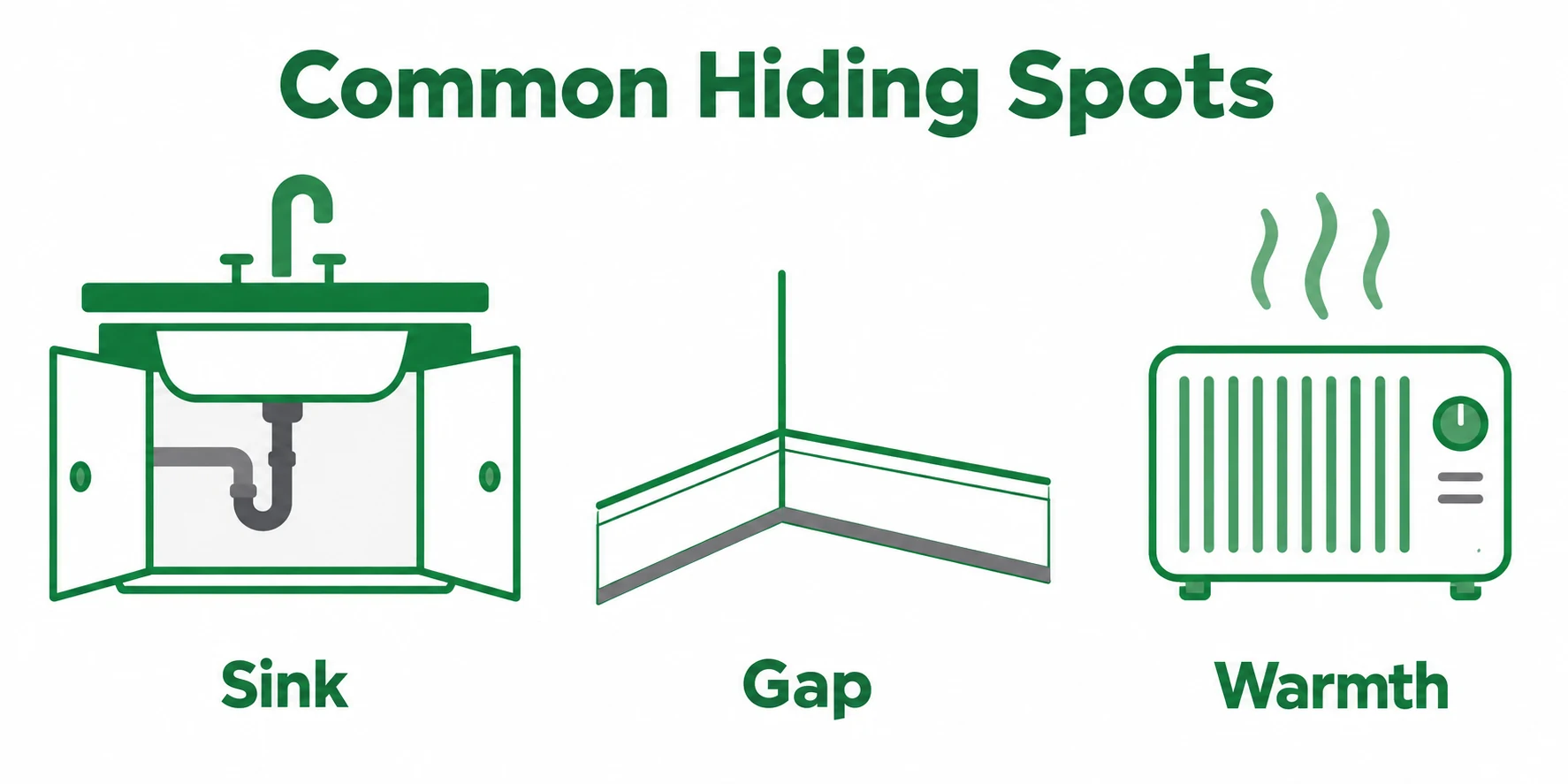
Cockroaches are naturally secretive pests. They prefer tight, dark and sheltered spaces where they can stay close to warmth, moisture and food. Common harbourage areas include gaps behind appliances, voids around pipework, cupboard hinges, service ducts, wall cracks, floor edges and cluttered storage areas.
In many cases, people do not see cockroaches moving around during the day because they are most active when the building is quiet. They can feed on tiny residues, grease, crumbs, pet food, waste matter and organic debris that may not be obvious during everyday cleaning.
This hidden behaviour is one reason cockroach problems can build before they are noticed. A property may look clean and well kept, yet still provide enough warmth, shelter and food traces for cockroaches to survive. Cleaning helps reduce attraction, but it does not always reach the harbourages where insects are resting, breeding or moving between rooms.
If you have already cleaned thoroughly and sightings continue, it may help to understand why cockroaches keep returning after a deep clean. The issue is often not visible dirt, but hidden access, harbourage and untreated activity.
What daytime activity can tell you
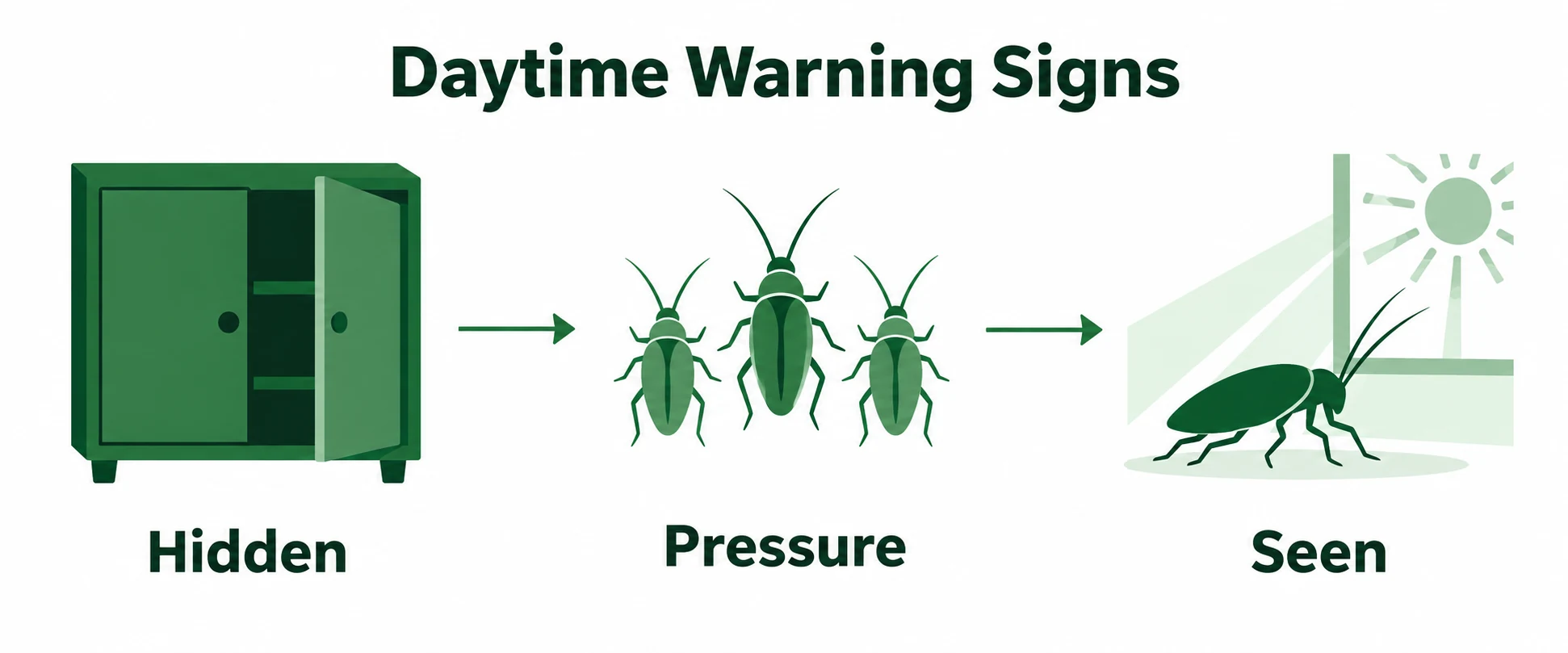
A cockroach seen in daylight deserves attention because it may indicate that the insects are being pushed out from their usual hiding areas. This can happen when harbourages become crowded, when food or moisture sources change, or when disturbance makes them search more widely.
One sighting does not prove the whole scale of the problem. It does, however, suggest there is a reason the insect is active when it would normally prefer cover. That reason is worth investigating quickly.
Daytime activity can also point to nearby harbourage. For example, a cockroach seen crossing a kitchen floor may have come from beneath a fridge, cooker, dishwasher, sink unit or kickboard. A sighting in a bathroom may suggest activity around pipe boxing, drains, warm voids or shared service areas. In a small commercial setting, activity near storage, waste or preparation zones needs prompt attention because of hygiene risk and potential spread.
Cockroaches can move through very small gaps, so the visible insect may only be part of the picture. Professional inspection looks beyond the place where the cockroach was spotted and checks the routes, harbourages and conditions that allow activity to continue.
Why fast action matters
Cockroach problems are easier to deal with when they are addressed early. Waiting to see whether the issue goes away can allow insects to settle deeper into harbourages, spread into connected spaces and become harder to trace.
Fast action matters for several reasons. Cockroaches can contaminate surfaces as they move through waste, drains, food debris and preparation areas. They may leave droppings, shed skins and odours in hidden spaces. In businesses handling food, even a small amount of activity can create concern because customers, staff and inspectors expect robust hygiene standards.
There is also the practical issue of movement. Once cockroaches find reliable warmth, shelter and food, they can remain close to that source while also exploring nearby spaces. If they are disturbed by cleaning, building work, stock movement or partial treatment, they may scatter into new harbourages.
That is why a daytime sighting should be treated as useful evidence rather than ignored. Note where and when it happened, avoid disturbing the area more than necessary, and arrange a proper inspection if sightings continue or the property has food, waste, moisture or shared access points.
For clear support with identification, inspection and treatment, Sykes Pest Control GA4 provides professional cockroach control for homes and businesses.
What to check before treatment
Before professional treatment, a few careful checks can help build a clearer picture. Look for signs rather than relying only on live sightings. Small dark droppings, shed skins, smear marks, egg cases, musty odours and repeated activity in the same area can all help indicate where cockroaches are travelling or sheltering.
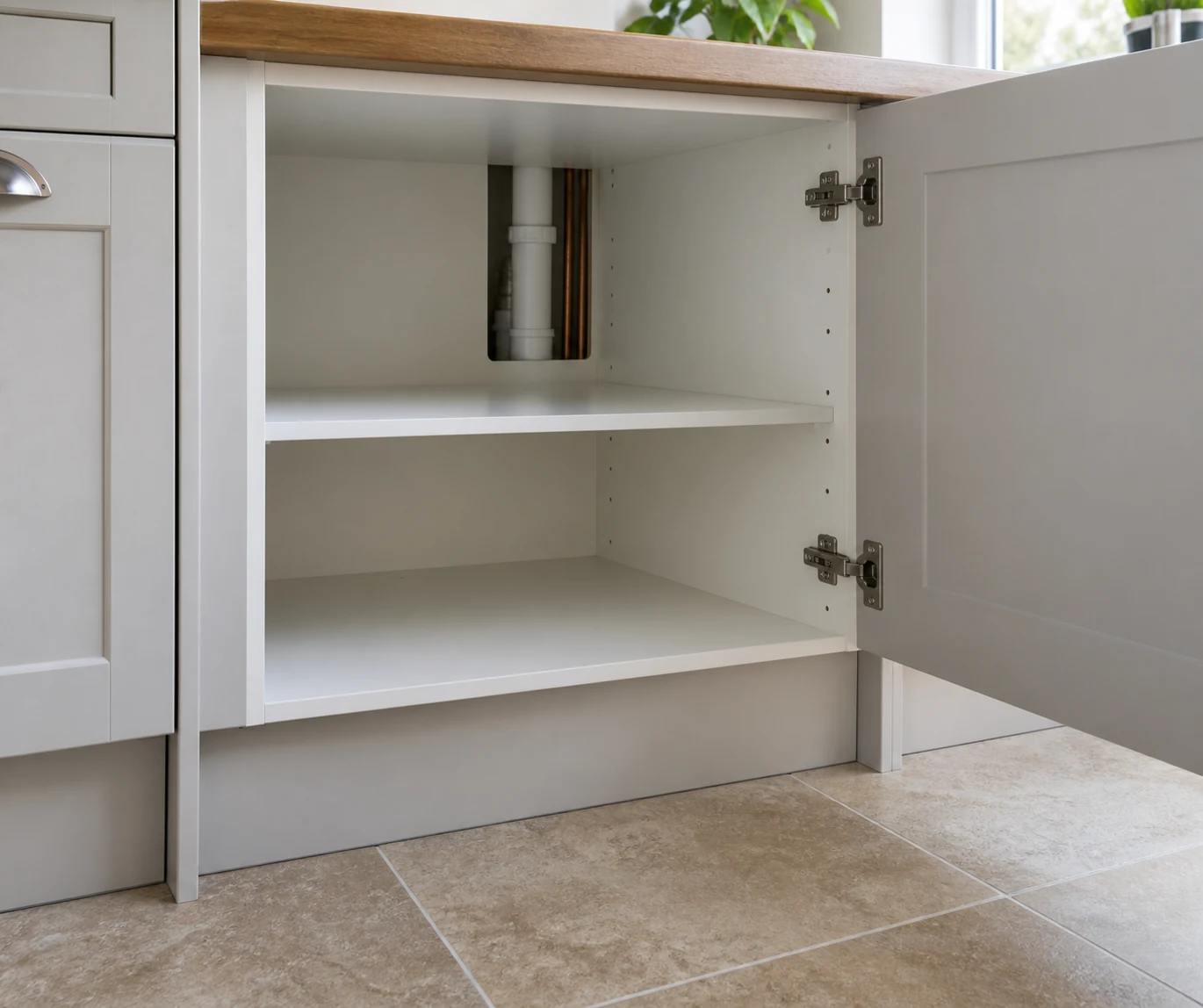
Pay particular attention to warm and damp areas. Under sinks, behind appliances, around boilers, near waste bins, in storage cupboards and around pipework are all worth checking. Avoid pulling apart fixtures or spraying random products into gaps, as this can scatter insects and make the problem harder to map.
It is also useful to reduce easy food and water access while you wait for inspection. Seal opened food, clear crumbs and grease, empty waste regularly, fix obvious leaks where possible and remove unnecessary clutter from floors and lower cupboards. These steps support treatment, but they should not be relied on as the only solution if cockroaches are already established.
Food storage areas need particular care because pests can exploit small oversights. Practical prevention advice for cupboards, stores and preparation spaces is covered in how to prevent pest infestations in food storage areas.
Why professional inspection is different from guesswork
It is tempting to deal with a daytime sighting by buying a spray and treating the visible area. That may kill individual insects, but it rarely explains where they are coming from, how they are moving or why they are present.
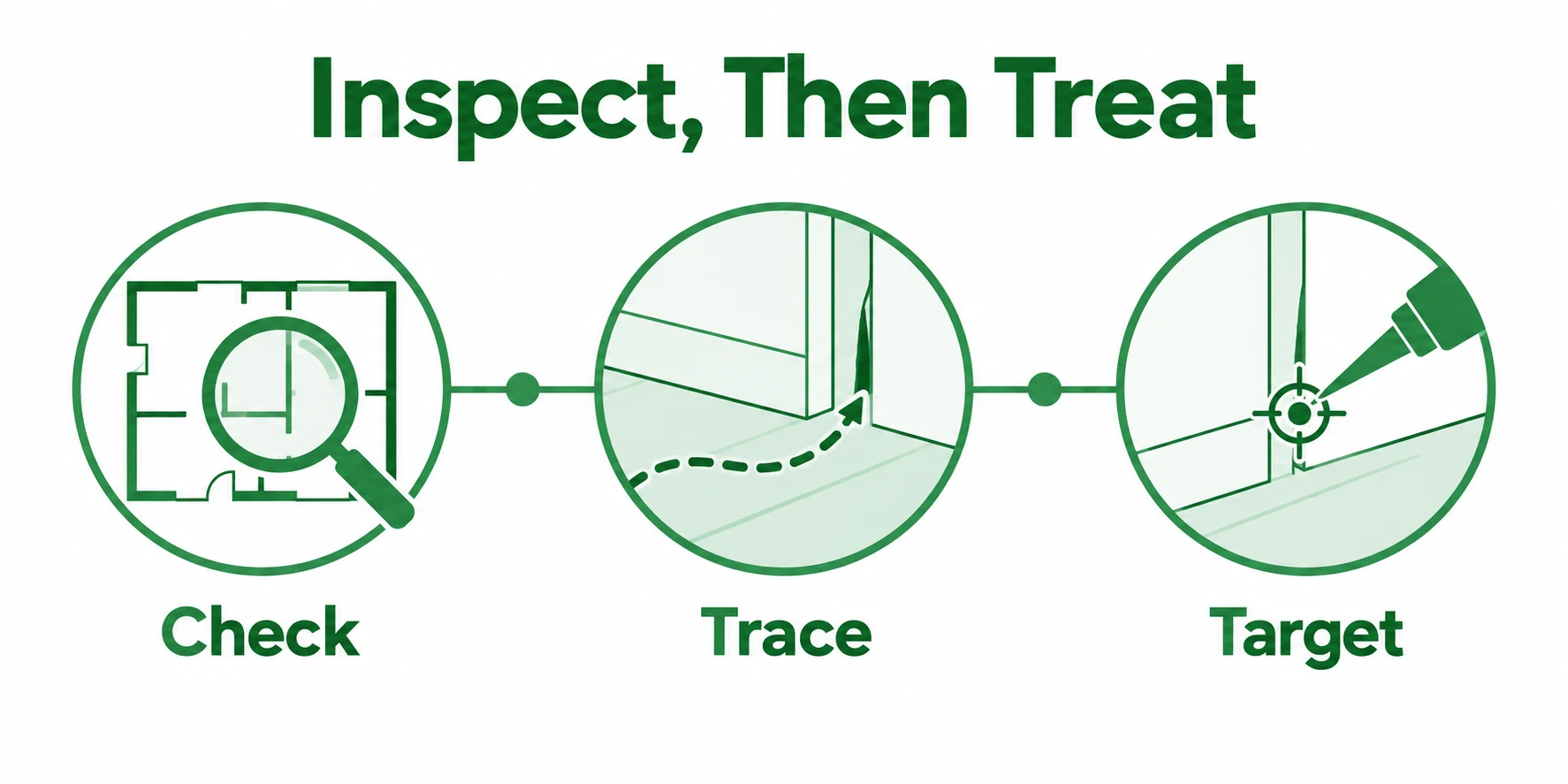
A professional inspection is more systematic. Technicians look for harbourage, food sources, moisture, entry routes, connected voids and signs of spread. They also consider the type of property and how people use the space, because a family kitchen, shared building, takeaway counter, staff room or store cupboard can each create different risks.
Treatment is then selected to match the situation. This may include targeted gel bait, monitoring, residual treatments, proofing advice, hygiene recommendations and follow up checks where needed. The aim is not just to remove what is visible, but to interrupt the conditions that allow cockroaches to keep returning.
If you are unsure whether the insect you saw was a cockroach, or you want to understand the general steps involved, how to get rid of cockroaches explains the wider process in plain terms.
What you should avoid after a daytime sighting
Some quick reactions can make cockroach control more difficult. Heavy use of shop bought sprays may drive insects away from obvious areas and into deeper cracks or adjoining rooms. Moving contaminated boxes, appliances or stored items without care can also spread activity.
Avoid leaving the sighting unrecorded. A short note of the room, time, direction of travel and nearby features can be genuinely useful during inspection. If you can safely take a clear photo, that may also help with identification.
Do not assume that a clean property cannot have cockroaches. Cockroaches need very little to survive, and their presence is not a simple judgement on housekeeping. They can be introduced through packaging, deliveries, neighbouring activity, second hand items or shared service routes. Once inside, they look for shelter and resources.
The sensible approach is calm, quick and practical. Reduce food and water access, avoid scattering the insects, keep a record of what you have seen, and arrange expert help where sightings are repeated, occur in daylight or happen in sensitive areas.
- Cockroaches usually avoid open daytime movement, so a daylight sighting should be taken seriously.
- Daytime activity can suggest pressure in hidden harbourages, disturbance or nearby food and moisture sources.
- Cleaning helps, but it may not reach the cracks, voids and warm spaces where cockroaches shelter.
- Professional inspection identifies harbourage, routes and causes rather than only treating visible insects.
- Fast action can reduce spread, protect hygiene and make treatment more focused.
Frequently asked questions
Does one cockroach in the daytime mean an infestation?
Not always, but it is a warning sign worth checking. Cockroaches usually prefer hidden areas, so daytime activity can suggest disturbance, crowding or nearby harbourage. If you see more than one, notice repeated activity, or find droppings or egg cases, arrange an inspection promptly.
Should I spray the area where I saw the cockroach?
It is better to avoid heavy random spraying. Some products can scatter cockroaches into deeper hiding places, which makes the source harder to trace. Record where you saw it, clean away food residues where practical, and seek professional advice if activity continues.
Can cockroaches appear even if the property is clean?
Yes. Clean properties can still have warmth, moisture, small food residues and hidden gaps that support cockroach activity. They can also arrive through packaging, deliveries, used items or connected service spaces.
How quickly should I act after seeing one in daylight?
Act as soon as practical, especially in kitchens, bathrooms, food areas or shared buildings. Quick inspection helps identify whether the sighting was isolated or part of wider hidden activity.
Need help with a cockroach sighting?
If you have seen cockroach activity during the day, Sykes Pest Control GA4 can inspect the problem, explain what is happening and provide targeted treatment with clear practical advice.