
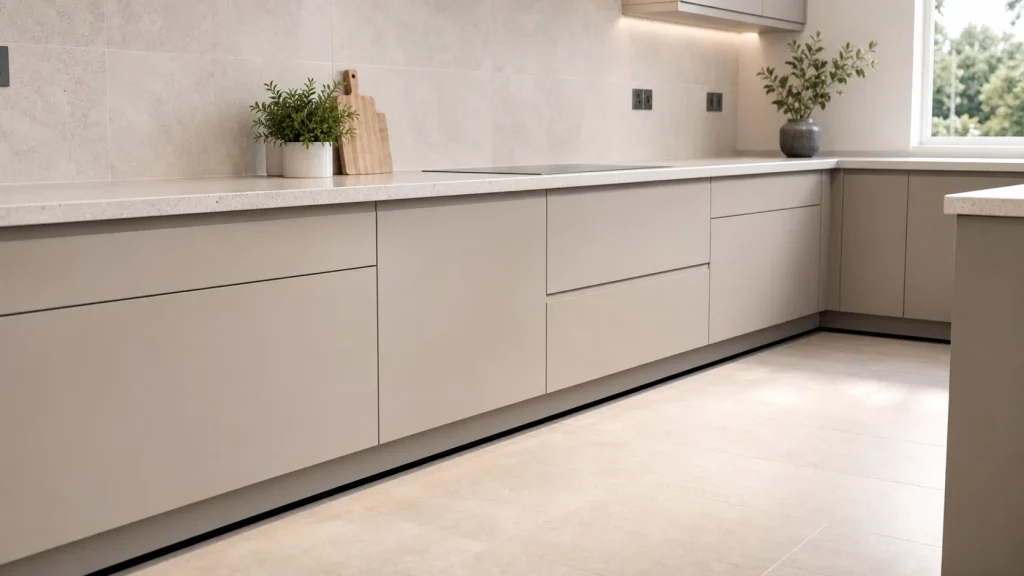
A deep clean can make a kitchen, stock room or utility space look spotless, so it is frustrating when cockroaches appear again a few days later. It can feel as though the cleaning has failed, but the truth is usually more complicated.
Cockroaches are not just attracted to visible mess. They survive in tight harbourages, feed on tiny residues and move through gaps that are easy to miss. Understanding why they return helps you know when cleaning is enough and when professional inspection and treatment are needed.
A clean room can still have cockroach harbourages
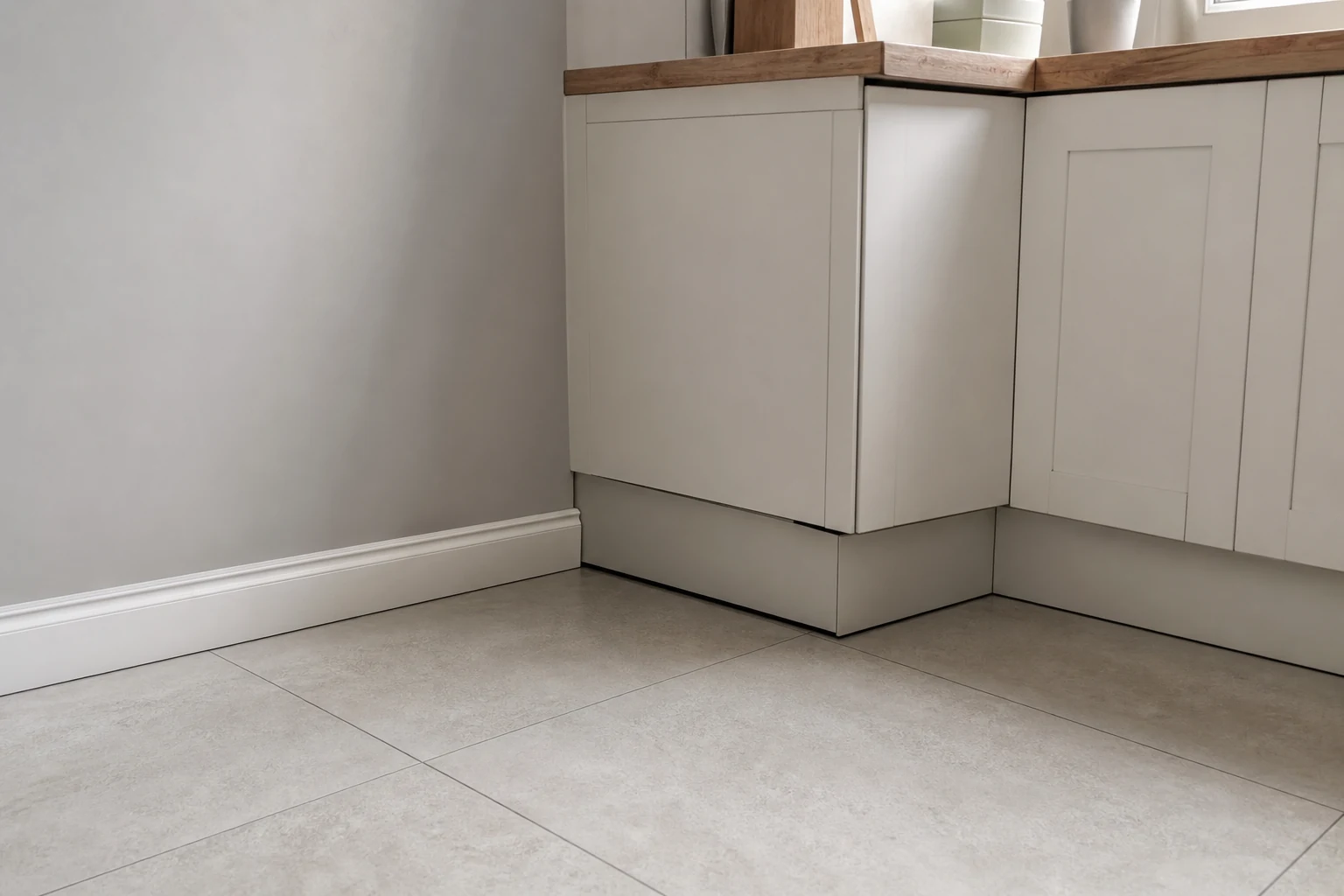
Cockroaches spend much of their time hidden. They prefer narrow, dark spaces where their bodies can touch surfaces above and below them. That means a room can look clean at floor level while activity continues behind units, under appliances, inside service voids or around warm electrical items.
Deep cleaning usually focuses on visible surfaces, floors, shelves, worktops and accessible corners. That is useful because it removes food residues and makes pest activity easier to spot. However, it rarely reaches every crack, pipe gap, appliance cavity or boxed in area. If cockroaches are already settled in these spaces, they may simply wait until the area is quiet before moving again.
Common hiding points include the rear of fridges and freezers, gaps around dishwashers, boiler cupboards, sink units, wall voids, loose skirting, suspended ceilings and storage areas that are rarely disturbed. In commercial settings, they may also gather close to drains, plant rooms, food preparation equipment and waste handling areas.
This is why repeat sightings after cleaning should not automatically be treated as a housekeeping issue. Cleaning helps reduce pressure, but it does not always reach the places where cockroaches rest, breed and move between rooms.
Egg cases can survive beyond the visible clean
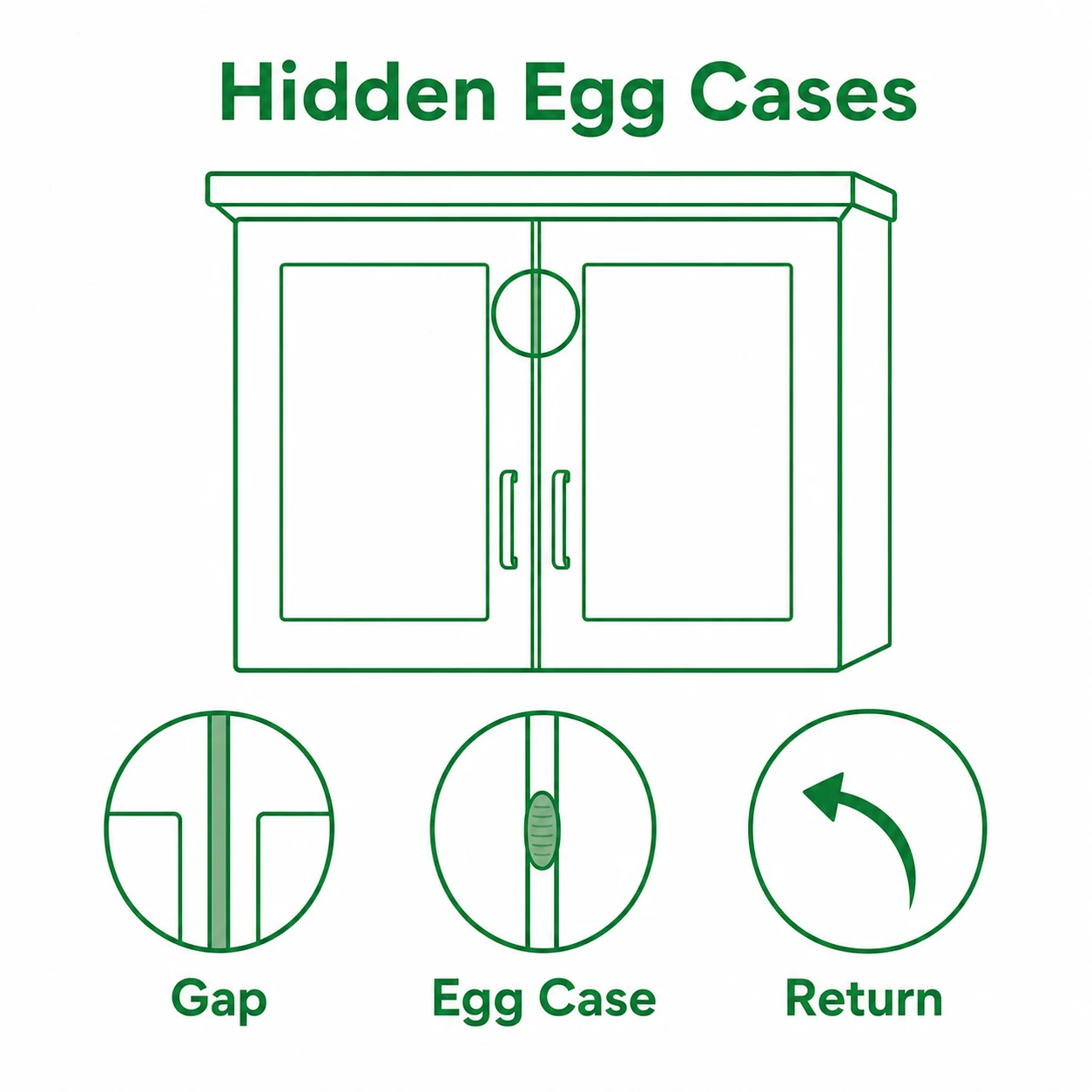
One of the main reasons cockroaches seem to come back is that the original problem was not only the adult insects you could see. Cockroaches produce egg cases, and these can be hidden in protected spaces away from routine cleaning.
If adults are removed or disturbed but egg cases remain, new nymphs can emerge later. These young cockroaches are small, fast and easy to miss. At first, there may only be occasional sightings, often at night or when a light is switched on. Over time, if conditions suit them, the activity can build again.
Egg cases are one reason surface sprays and general cleaning often give people false confidence. The visible activity may drop for a while, then return when another stage of the life cycle appears. Professional cockroach work looks beyond the insects in front of you and considers where the next wave of activity may be developing.
A technician will usually look for signs such as droppings, cast skins, smear marks, live insects at different growth stages and suitable hiding places. This helps separate a one off intruder from an established issue that needs targeted treatment and monitoring.
Food and water sources are smaller than most people think
Cockroaches do not need a large food source to survive. Crumbs, grease film, food residue under appliances, spills behind kickboards and deposits around bin areas can all support activity. Even after a thorough clean, tiny amounts of organic matter may remain in places that are awkward to reach.
Water is just as important. Condensation, minor leaks, damp mop storage, overflow trays, sink areas and drain edges can help cockroaches stay active. A kitchen that looks clean during the day may still offer enough moisture at night for insects hiding nearby.
This does not mean every property with cockroaches is dirty. Cockroaches can be introduced through packaging, second hand items, adjoining premises, shared service routes or deliveries. Once inside, they exploit warmth, shelter and small residues. Cleaning reduces what they can use, but it may not remove the reason they entered or the route they are using.
For practical prevention advice that sits alongside professional control, Sykes Pest Control has a useful guide on how to get rid of cockroaches. The important point is to treat cleaning as one part of control, not the whole solution when activity keeps returning.
Entry points and movement routes are often missed
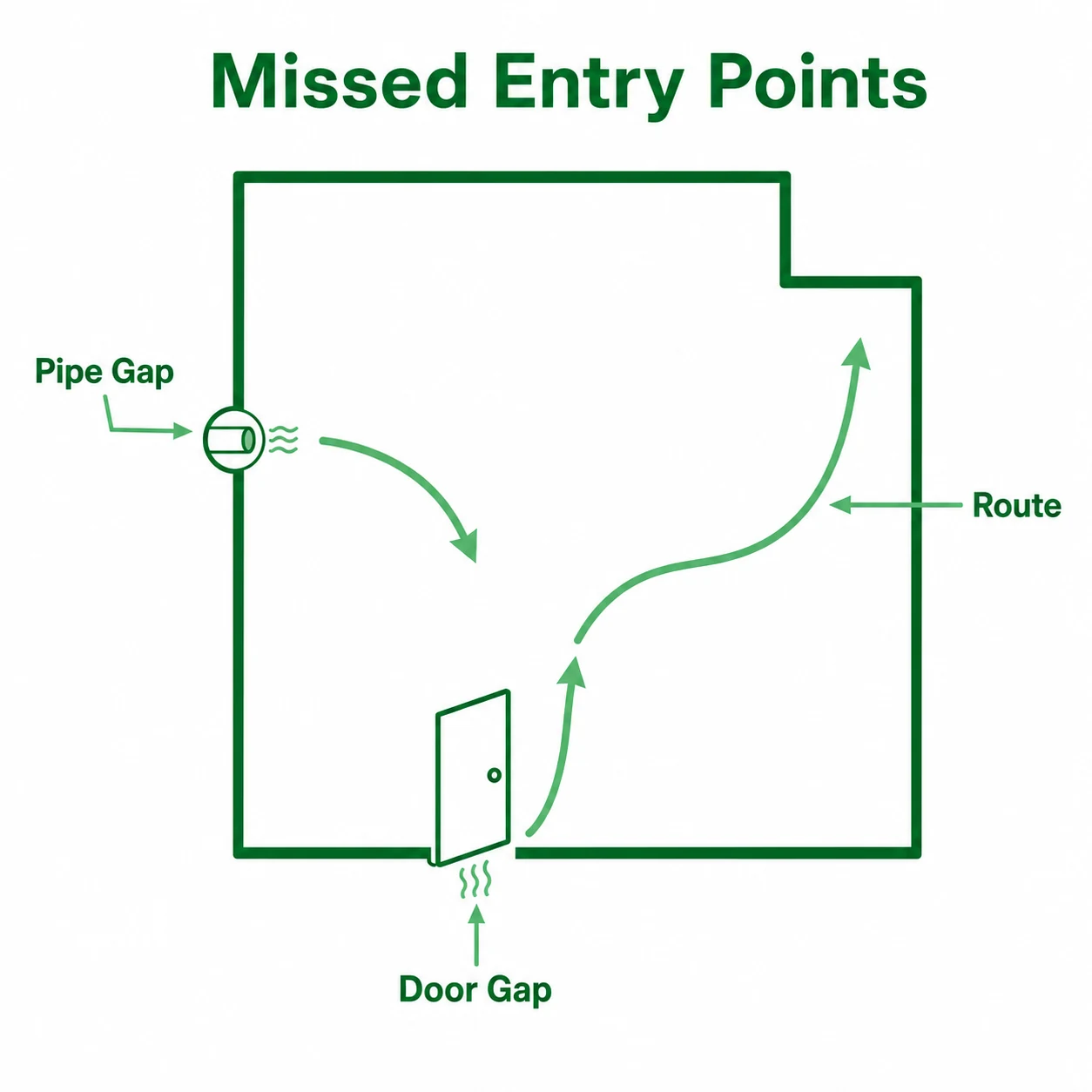
If cockroaches are returning after a deep clean, they may not all be coming from the room where you see them. They can move through small gaps around pipes, cables, vents, wall junctions and service channels. In connected buildings, activity can also spread between neighbouring spaces through hidden routes.
Deep cleaning does not usually identify these routes. A cleaner may move appliances and clean behind units, but they are not normally tracing pest movement, checking likely harbourages with inspection tools or assessing structural access points. Without that inspection stage, the source can remain active while only the symptoms are cleaned away.
Professional pest control looks at the pattern of sightings. Are cockroaches appearing near warmth, moisture or food handling areas? Are they seen at night? Are there droppings in one cupboard but live insects in another room? Are sightings clustered around pipework, drains or shared walls? These details help narrow down where treatment and proofing should be focused.
Where gaps, cracks or service penetrations are part of the problem, sealing and exclusion can reduce future movement. This is usually most effective after inspection, because sealing the wrong areas while missing the main route can give a false sense of progress.
Why general sprays rarely solve repeat activity
When cockroaches reappear, it is tempting to reach for a shop bought spray. The difficulty is that general spraying often affects only the insects that cross treated surfaces or are hit directly. It may not reach the harbourage, the egg cases or the route that is bringing insects back into the room.
There is also a risk that poorly placed products can scatter cockroaches deeper into hidden areas, making the pattern harder to understand. Some products may contaminate surfaces where food is prepared, or interfere with more targeted treatments that a technician would otherwise use. For homes and businesses, especially where food, children, pets or vulnerable people are involved, product choice and placement matter.
Professional treatment is usually more precise. Depending on the situation, a technician may use targeted baits, residual treatments, monitoring points, dusts in suitable voids, traps and advice on sanitation or proofing. The aim is not to cover everything with chemicals. It is to place the right treatment where cockroaches are likely to feed, hide and travel.
If you are dealing with recurring activity, Sykes Pest Control provides a dedicated cockroach removal service that focuses on inspection, treatment and reducing the chance of repeat sightings.
How professional inspection helps stop the cycle
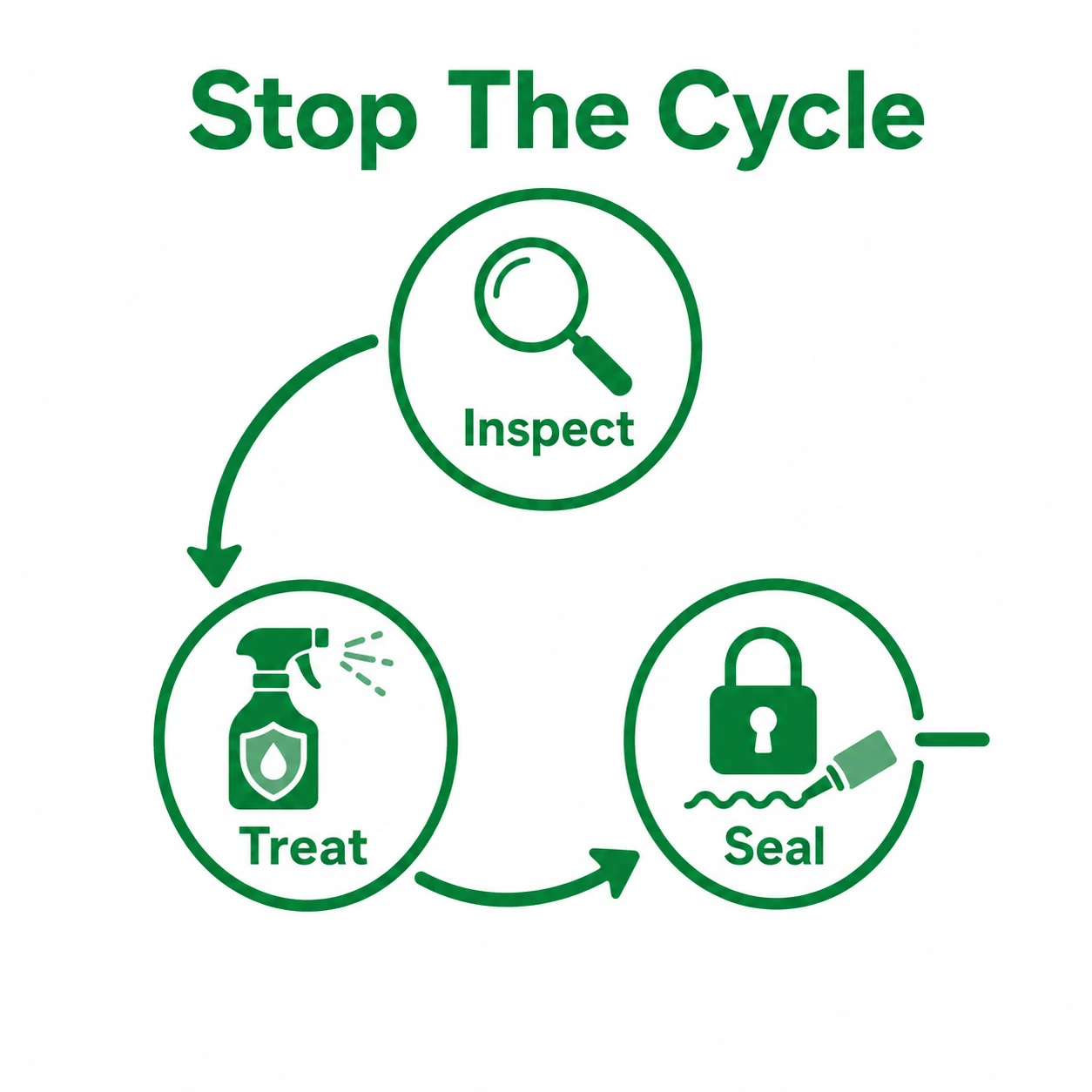
The most useful part of professional cockroach control is often the inspection. It turns a frustrating series of sightings into a clearer picture of what is happening. Rather than treating every room the same, a technician can identify where activity is strongest, which conditions are supporting it and what needs to change.
Inspection may involve checking warm appliance motors, voids, pipe routes, cupboards, cracks, drains, waste areas and nearby rooms. Monitoring traps can also help confirm movement patterns over time. This matters because cockroach activity is not always evenly spread. One small harbourage can drive repeated sightings across a wider area.
Once the source areas are understood, treatment can be targeted. Follow up checks may be recommended where there is established activity, because the aim is to deal with the wider life cycle rather than only the insects visible on the first visit. Good pest control also includes practical advice, such as improving storage, reducing moisture, managing waste and closing access points where appropriate.
For wider seasonal prevention, advice on how to keep bugs out in winter can help you think about gaps, warmth and shelter more broadly. Cockroaches need their own treatment plan, but the same principle applies: pests are easier to control when access, shelter, food and water are considered together.
- A deep clean removes visible residues, but cockroaches may remain hidden in cracks, voids, appliances and service routes.
- Egg cases can lead to fresh activity after adults have disappeared from view.
- Tiny food residues, moisture and warmth can still support cockroaches in an otherwise clean space.
- Professional inspection helps identify harbourages, movement routes and the right places for targeted treatment.
- Recurring sightings are a strong sign that cleaning alone is not addressing the full source of the problem.
Frequently asked questions
Does seeing cockroaches after cleaning mean the property is dirty?
No. Cleaning is important, but cockroaches can be introduced through items, packaging, shared routes or gaps around services. Once inside, they can survive in hidden areas that normal cleaning cannot reach.
Why do cockroaches appear at night after everything has been cleaned?
Cockroaches are usually more active when rooms are quiet and dark. Night sightings often suggest they are leaving a hidden harbourage to look for food or water, even if only tiny residues or moisture are available.
Can one cockroach mean there are more hidden nearby?
It can. A single sighting does not always prove an established problem, but repeated sightings, droppings, cast skins or activity in warm and damp areas should be checked properly.
What should I do if cockroaches keep coming back?
Keep the area clean, reduce accessible food and water, and avoid disturbing the pattern with random spraying. Arrange a professional inspection so the harbourages, entry points and treatment areas can be identified.
Need help with recurring cockroach activity?
If cockroaches keep returning after cleaning, Sykes Pest Control can inspect the problem, identify likely harbourages and provide targeted treatment with clear, practical advice.