
Bee & Wasp Nest Removal in Bradford & West Yorkshire
Professional help with wasp nests, bee swarms and stinging insects around homes and commercial premises.
Domestic & commercial • Over 20 years established • 24-hour service enquiries
Professional Bee and Wasp Control
Bee and wasp nests should not be approached or disturbed without suitable training and protective equipment. Wasps can sting repeatedly, and a disturbed colony may respond in large numbers. Stings can be especially serious for anyone with an allergy.
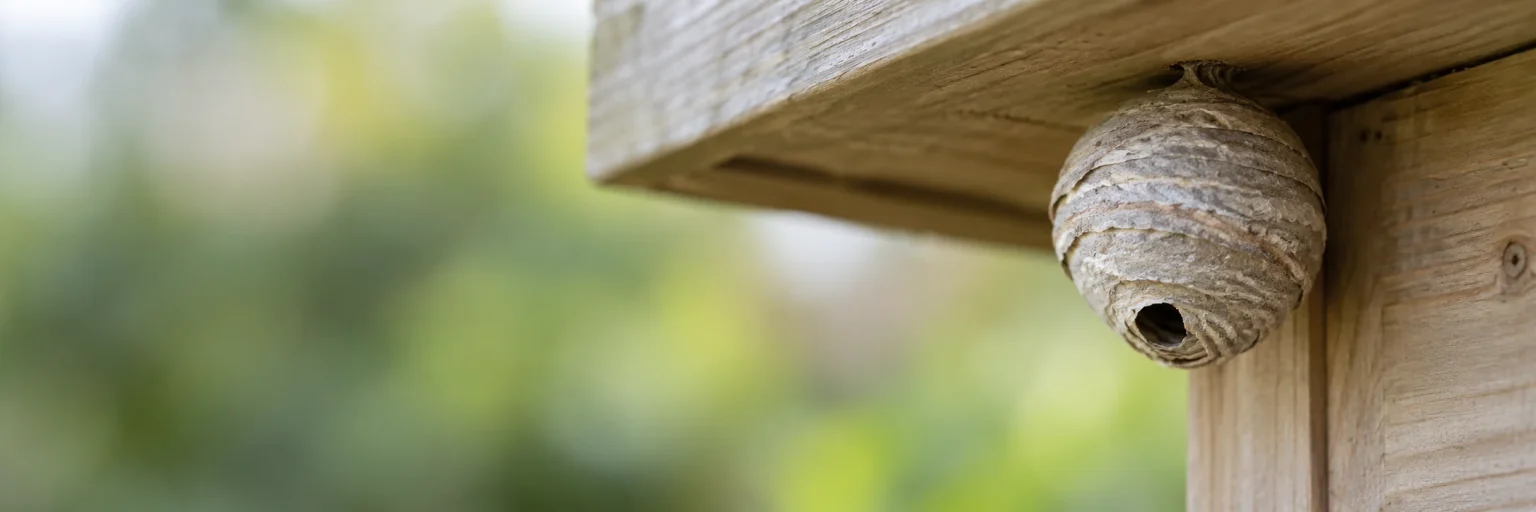
Nests may be located in roof spaces, wall cavities, sheds, trees, soil, air bricks and other sheltered areas. Regular activity around one entry point is often the first indication that a nest is present.
Sykes Pest Control provides professional wasp nest treatment and bee-control advice throughout Bradford, Leeds and surrounding West Yorkshire. We identify the likely insect, assess the location and explain the available options. Where possible and appropriate, we consider approaches that allow bees or swarms to be relocated safely.
Signs of Bee or Wasp Activity
Regular insect traffic or activity around one particular point can indicate a nearby nest.
01
Regular Flight Activity
Wasps or bees repeatedly entering a gap in brickwork, rooflines, sheds, trees or the ground.
02
Visible Nest Material
A grey, paper-like wasp nest in a loft, shed, tree, wall cavity or sheltered outdoor space.
03
Swarming or Clustering
A large cluster of bees or unusual numbers of insects gathering close to the property.
Wasp Nest Treatment
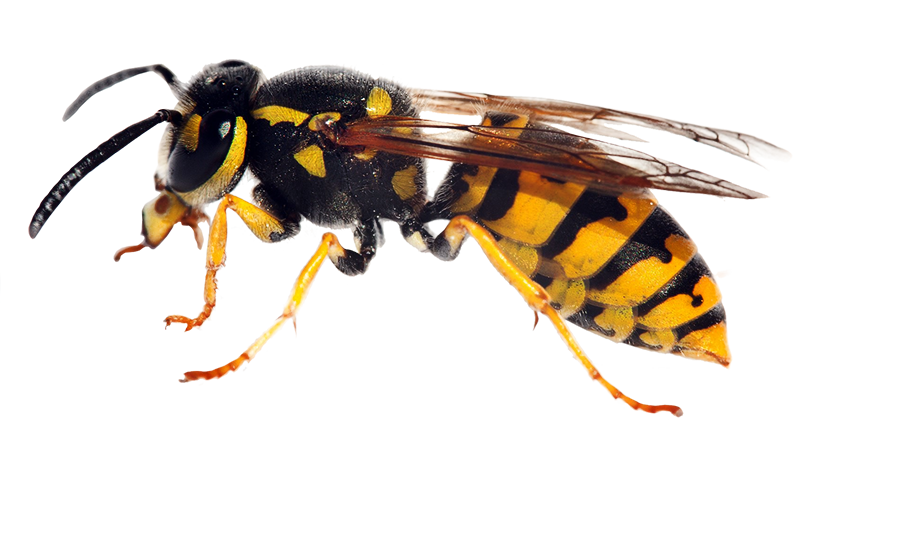
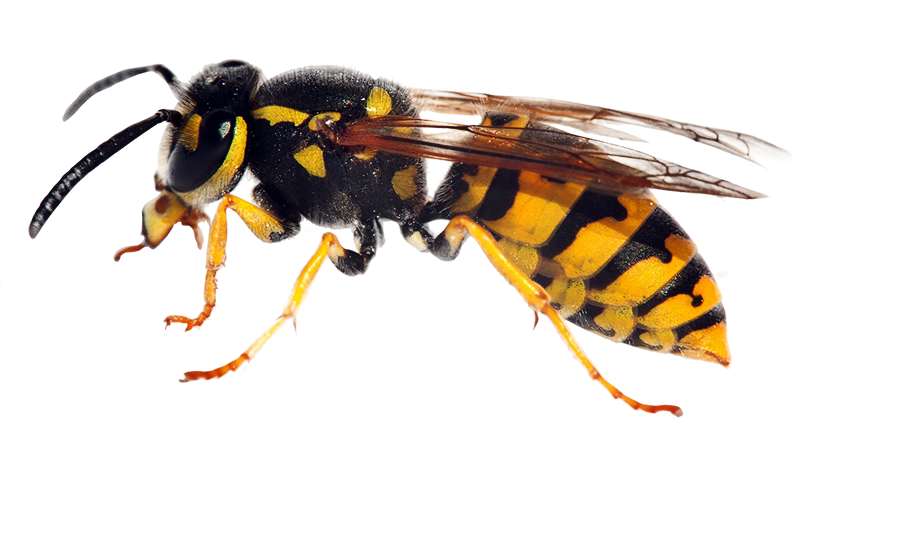
The common wasp and German wasp are the species most frequently encountered around UK properties. A fertilised queen emerges in spring and begins constructing a nest from chewed wood fibres, creating the familiar paper-like material.
The first worker wasps expand the nest and collect food while the queen continues laying eggs. Colonies grow through the summer and a mature nest can contain many thousands of wasps. Activity often becomes more noticeable later in the season when workers begin searching for sweet foods.
Wasps can sting repeatedly and release a chemical signal that may encourage other wasps to respond if the nest is threatened. Our technicians assess the location and recommend a suitable treatment using professional protective equipment and pest-control products.
Bee Swarms and Nests
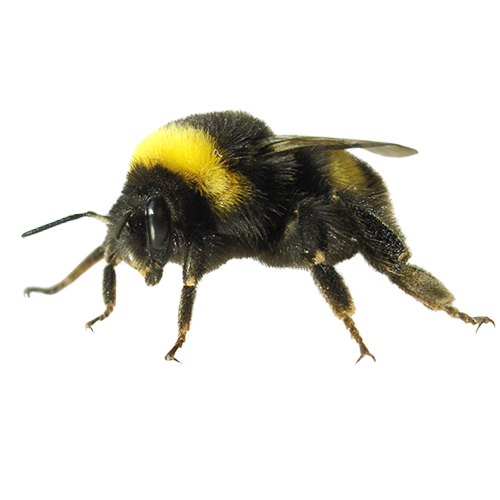
There are many bee species in the UK, including honey bees, bumblebees and numerous solitary bees. Their nesting habits and colony sizes differ, so treatment is not automatically required in every situation.
Bumblebees and solitary bees
Bumblebees form relatively small seasonal colonies, while solitary bees nest individually in soil, timber or masonry. They may remain only for part of the year and can often be left undisturbed when the nest is not creating a genuine risk.
Honey bees and swarms
Honey bees may live in large colonies. A swarm that has recently settled can sometimes be collected or relocated, but bees established deep inside a wall or inaccessible cavity require individual assessment. We consider relocation wherever it is practical and safe, then explain the most suitable option for the property.
Understanding the Risks Around a Nest
Attempting to block a nest entrance or disturb the nest can force insects into other parts of the building and increase the likelihood of stings. This is particularly important when activity is close to doors, windows, children’s play areas, customer entrances or frequently used outdoor spaces.
If someone is known to have a serious sting allergy, the location and urgency should be explained when contacting us. A severe allergic reaction requires immediate medical assistance.
What To Do While Waiting for Advice
Keep people and pets away from the activity and avoid vibration, spraying household products or attempting to remove nest material.
- Do not seal the entry point while insects are active.
- Close nearby windows where practical.
- Avoid standing directly in the flight path.
- Note where insects enter and whether activity changes through the day.
This information can help us understand the likely nest position before attending.
How Our Bee and Wasp Service Works
A careful approach based on the insect, nest position, time of year and level of risk.
1
Assess
We identify the likely insect, establish where the activity is concentrated and consider how accessible the nest may be.
2
Recommend
We explain whether treatment, monitoring, leaving the nest temporarily or possible relocation is most appropriate.
3
Resolve
Suitable work is carried out with professional equipment, followed by clear advice on safety and what to expect afterwards.
Why Choose Sykes Pest Control?
Established for over 20 years
Experienced pest-control support for homes, landlords, businesses and commercial premises across Bradford and West Yorkshire.
Identification before treatment
We consider the insect species, nest location, time of year and risk before recommending the appropriate next step.
Bee-conscious advice
Not every bee nest requires treatment. We consider monitoring or relocation wherever this is suitable, practical and safe.
Professional equipment
Our technicians have suitable protective equipment and access to professional-use pest-control products.
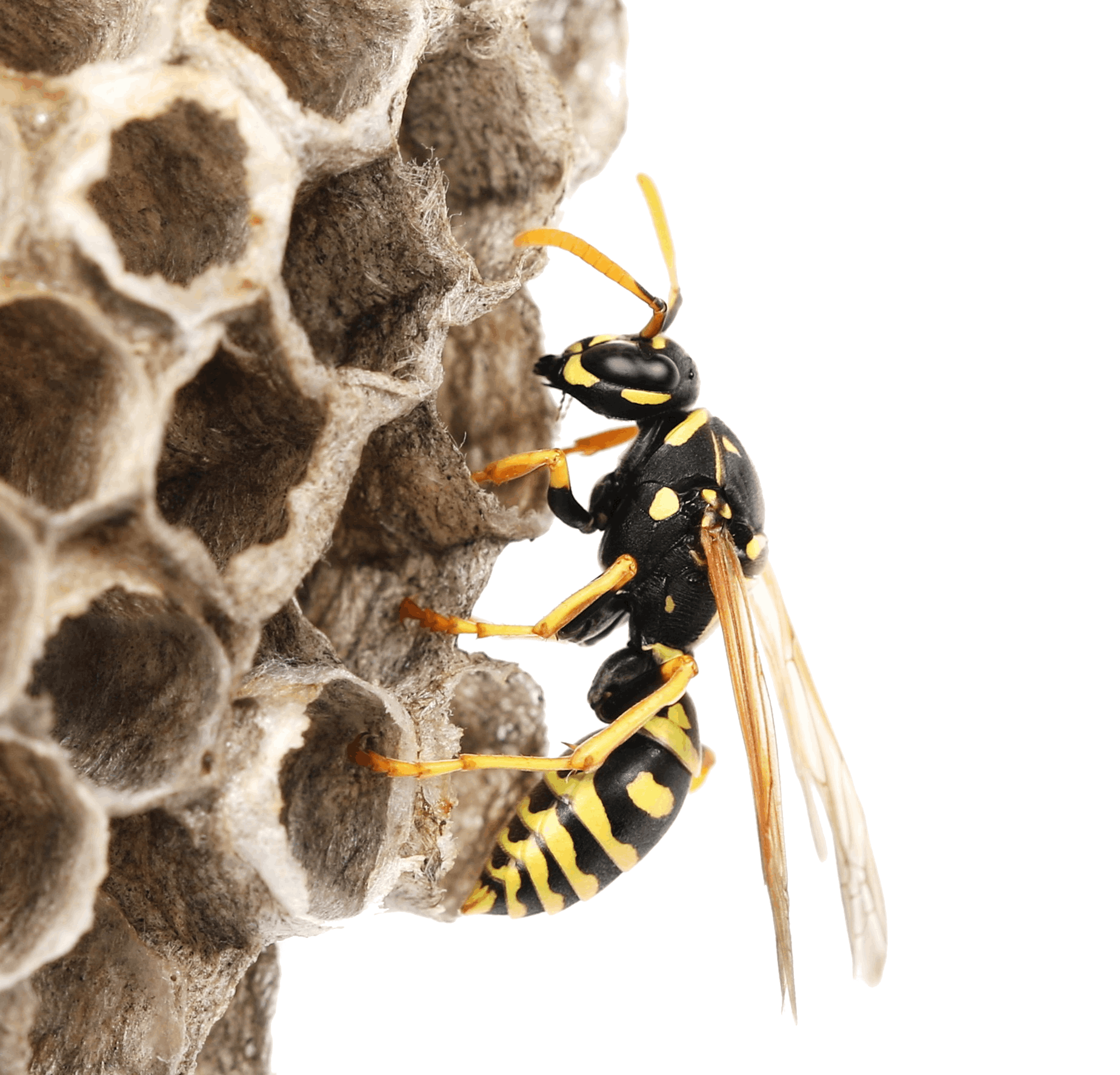
Bee & Wasp Control Across West Yorkshire
We provide bee and wasp-control services in Bradford, Leeds, Wakefield, Huddersfield, Dewsbury, Cleckheaton, Birstall, Brighouse, Batley and surrounding areas.
Need Help With Bees or Wasps?
Tell us where the activity is, what you have seen and whether anyone at the property has been stung. We will help you work out the next step.