
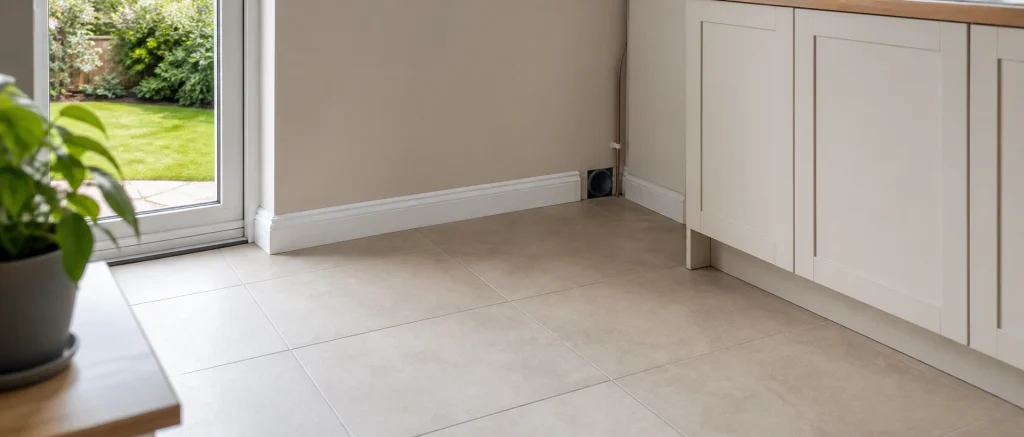
Searches about hantavirus often start after someone finds droppings in a cupboard, hears scratching in a loft or notices a mouse in the kitchen at night. It is an understandable worry, because anything involving rodents and health can feel urgent.
The short answer is that hantavirus infection is rare in the UK, but rodent activity in a home still deserves proper attention. Rats and mice can contaminate surfaces, food areas and stored belongings, so the sensible response is calm, careful hygiene and fast action to find out whether there is an active infestation.
What is hantavirus and why do people link it with rodents?
Hantavirus is the name for a group of viruses associated with rodents. People usually become concerned because health guidance links possible exposure to rodent urine, droppings or saliva, especially where contaminated dust is disturbed.
In a home, the concern is usually not a dramatic encounter with a rat or mouse. It is more often the hidden evidence left behind in quiet areas. Droppings in a cupboard, nesting material behind stored items, gnawing near pipework or stale smells in a loft can all make people wonder what they may have touched or breathed in.
It is important to keep the risk in proportion. Hantavirus infection is considered rare in the UK. Finding mouse droppings in a kitchen does not mean someone will become ill. However, droppings and urine are still contamination, and they should not be treated casually. The right approach is to avoid dry sweeping, avoid vacuuming contaminated material and deal with the rodent problem itself, not just the mess it leaves behind.
How rodent activity creates hygiene risks in the home
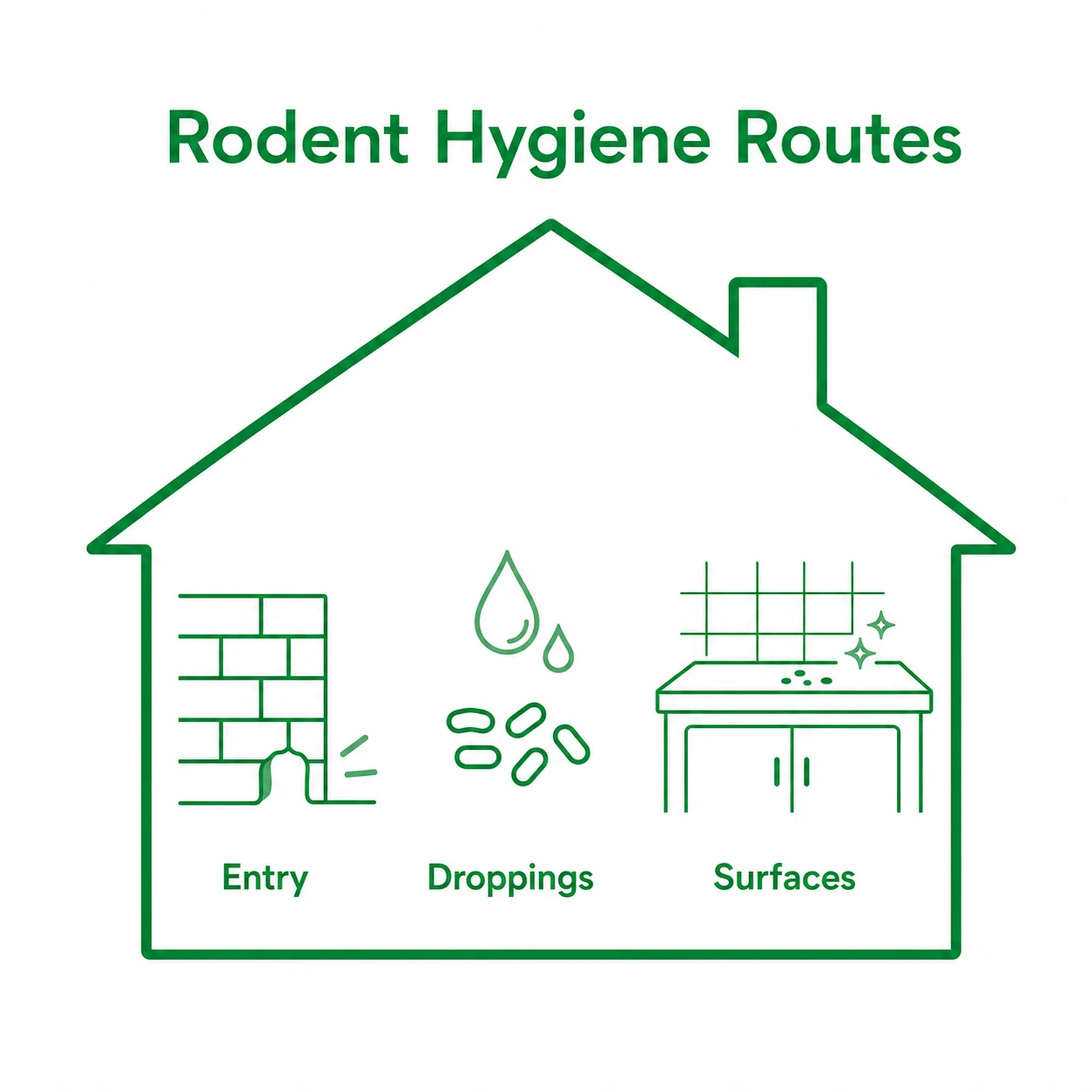
Rats and mice are well adapted to living close to people. They move through wall gaps, loft spaces, under units, around pipe routes, through outbuildings and into food storage areas. As they travel, they can leave urine, droppings, grease marks, fur and nesting material behind.
The hygiene issue is not only whether a particular virus is present. Rodents can contaminate worktops, cupboards, pet food, stored goods and places where children or pets may come into contact with debris. They may also damage packaging, gnaw cables, disturb insulation and create smells that linger even after individual rodents have moved on.
That is why a rodent sighting should be treated as evidence to investigate, not as a one off nuisance. If you are unsure what you are seeing, Sykes Pest Control has a practical guide to common signs of a rodent problem, including droppings, noises, gnaw marks and nesting clues.
Good hygiene helps reduce exposure, but it does not remove the cause. Cleaning a cupboard today will not solve the issue if mice are still entering through a gap behind units, or if rats are finding food and shelter around the property.
What to do if you find droppings or nesting material
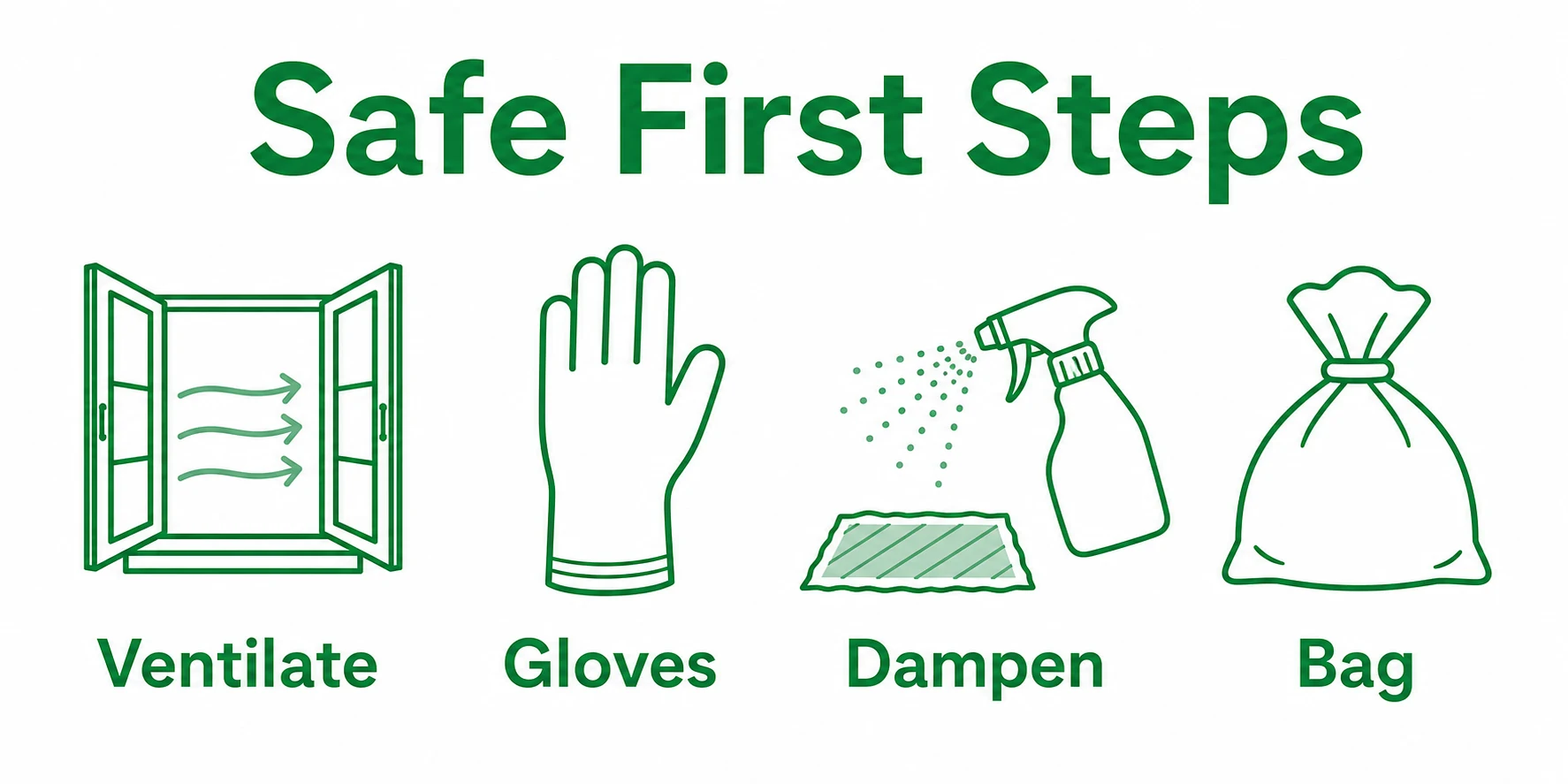
If you find fresh droppings, nesting material or areas that look contaminated, avoid rushing in with a broom or vacuum cleaner. Dry sweeping can disturb dust, and vacuuming can spread fine particles into the air. A careful method is much better.
- Keep children and pets away from the affected area.
- Wear disposable gloves before handling contaminated material.
- Ventilate the room if it is practical to do so.
- Dampen droppings and debris with a suitable household disinfectant before removal.
- Use disposable towels or cloths, then bag the waste securely.
- Wash hands thoroughly after cleaning, even if gloves were worn.
- Do not handle dead rodents with bare hands.
For larger areas, repeated contamination or enclosed spaces such as lofts and outbuildings, it is usually better to arrange a professional inspection. Technicians can assess where rodents are active, where they may be entering and what level of cleaning or proofing is likely to be needed.
If anyone feels unwell after known rodent exposure, especially with fever, aches, breathing symptoms or a bite, they should seek appropriate medical advice. Pest control can deal with the infestation and contamination risk, but health concerns should always be handled by a medical professional.
When signs of rats or mice justify professional control
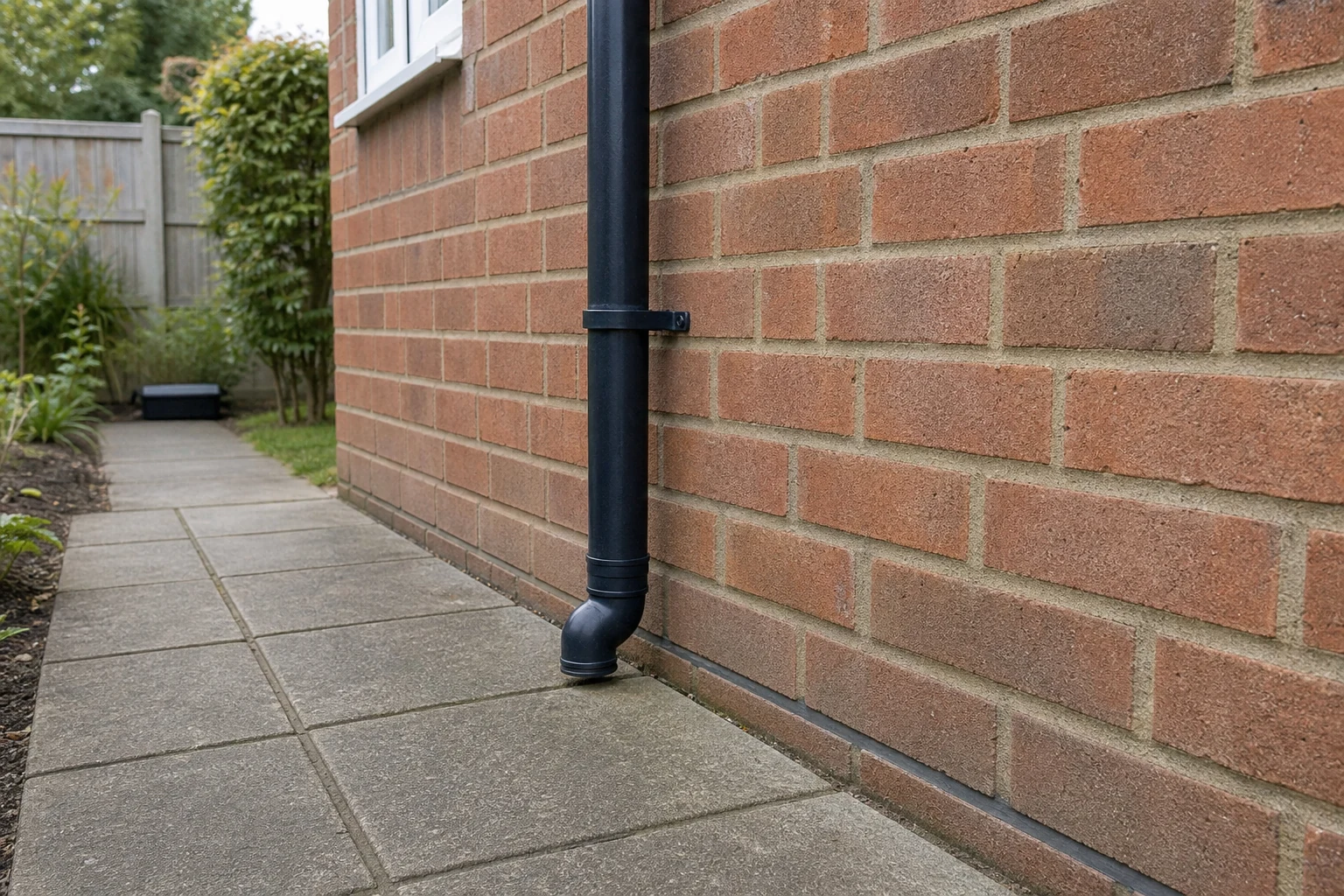
A single dropping may be enough to make you uneasy, but certain signs are stronger indicators that professional control is sensible. Rodents breed quickly, move at night and often stay hidden until activity has already become established.
Professional inspection is especially worthwhile if you notice repeated droppings, scratching in walls or ceilings, gnawed packaging, food being disturbed, a persistent stale smell, rub marks near skirting boards or gaps around pipework. It is also sensible if activity appears in a kitchen, bedroom, loft, food store, business premises or anywhere hygiene matters are particularly sensitive.
The value of professional control is that it looks beyond the obvious sighting. A technician can identify likely species, activity routes, harbourage, food sources and entry points. They can also advise on proofing, sanitation and follow up steps so that the problem is reduced at the source.
For householders who want the issue assessed properly, the professional rats and mice control service from Sykes Pest Control is the most relevant next step. It is designed for situations where there are signs of rodent activity and you want a clear plan rather than guesswork.
Why traps alone are not always enough
Many people try traps first, and in some simple cases they may catch an individual mouse. The problem is that catching one rodent does not always explain how it entered, whether others are present or why the property attracted activity in the first place.
Rats and mice are usually looking for food, water, warmth and shelter. If those conditions remain, fresh activity can continue even after a trap appears to have worked. This is why control should include inspection, treatment, access point checks and practical prevention advice.
It is also easy to underestimate how much evidence is hidden. A kitchen may show only a few droppings, while the main route is behind units. A loft may sound active at night, while the entry point is outside. An outbuilding may hold nesting material that keeps attracting movement towards the house.
If you are buying or moving into a property, a pest inspection can also be useful where there are signs of past activity, gaps around services or unexplained marks in storage areas. Sykes has more general guidance on whether to arrange a pest inspection for a new home.
How to lower rodent risks after treatment
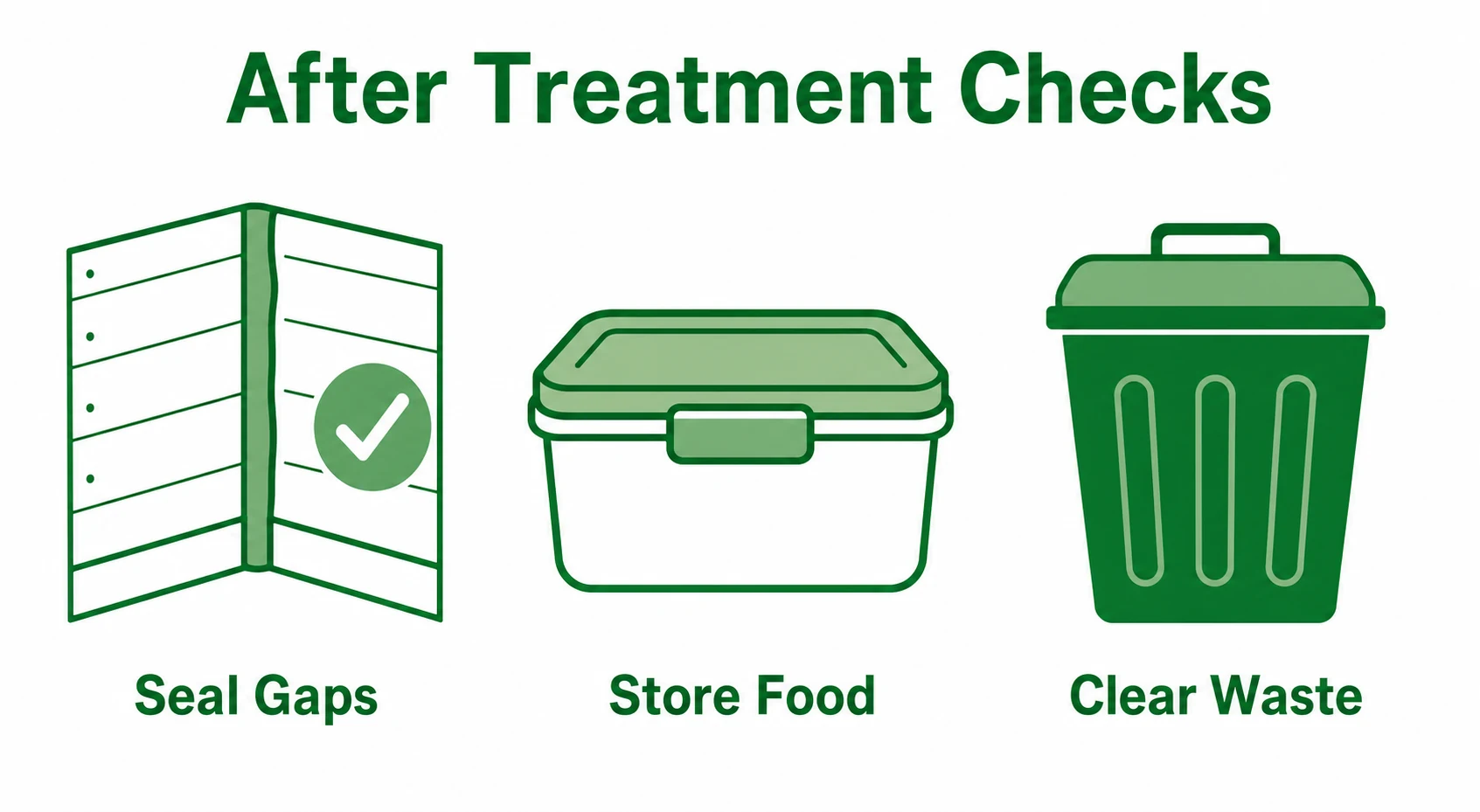
Once rodent activity has been controlled, prevention becomes the priority. Good proofing and housekeeping make the property less attractive and reduce the chance of another issue developing quietly.
- Store dry food and pet food in sealed containers.
- Clear crumbs and food waste promptly, especially at night.
- Keep bins closed and avoid loose waste around outdoor areas.
- Check gaps around pipes, vents, doors and utility entry points.
- Reduce clutter in lofts, cupboards, sheds and storage spaces.
- Look for fresh droppings or gnaw marks after any treatment.
Prevention is not about making a home feel clinical. It is about removing easy food sources and closing the routes rodents use. Even small gaps can matter, especially where pipework, older brickwork or service runs give mice a way inside.
For a wider view of why rats in particular should be taken seriously, there is a useful overview of the dangers of rats in and around property. The key point is simple: early action is easier, cleaner and more reassuring than waiting for the signs to multiply.
- Hantavirus infection is rare in the UK, but rodent droppings, urine and nesting material should still be treated as contamination.
- Do not dry sweep or vacuum suspected rodent droppings, as this can disturb dust and debris.
- Repeated droppings, scratching, gnaw marks, smells or activity near food areas justify a professional inspection.
- Cleaning helps reduce exposure, but lasting control depends on finding activity routes, food sources and entry points.
- Seek medical advice if you feel unwell after rodent exposure or if you have been bitten.
Frequently asked questions
Can you get hantavirus from mouse droppings in a UK home?
The risk is low because hantavirus infection is rare in the UK, but mouse droppings should still be handled carefully. Avoid dry sweeping or vacuuming. Dampen the area with disinfectant, wear gloves and remove contaminated material safely.
Are rats or mice more of a concern for hantavirus?
Health guidance links hantaviruses with rodents, including rats, mice and voles. For householders, the practical issue is not trying to identify a virus. It is recognising rodent contamination and dealing with active rats or mice properly.
Should I clean droppings myself or call pest control?
Small, isolated contamination can often be cleaned carefully with gloves, disinfectant and sealed waste disposal. If droppings keep appearing, the area is large, activity is in a loft or kitchen, or you are unsure whether rodents are still active, arrange a professional inspection.
When should I seek medical advice?
Seek medical advice if you develop worrying symptoms after rodent exposure, such as fever, aches, breathing problems or illness after a bite. Pest control can address the infestation, but health symptoms should be assessed by a medical professional.
Worried about rats or mice at home?
If you have found droppings, heard scratching or want a calm professional assessment, Sykes Pest Control can inspect the signs, explain the likely cause and recommend the right control steps.