
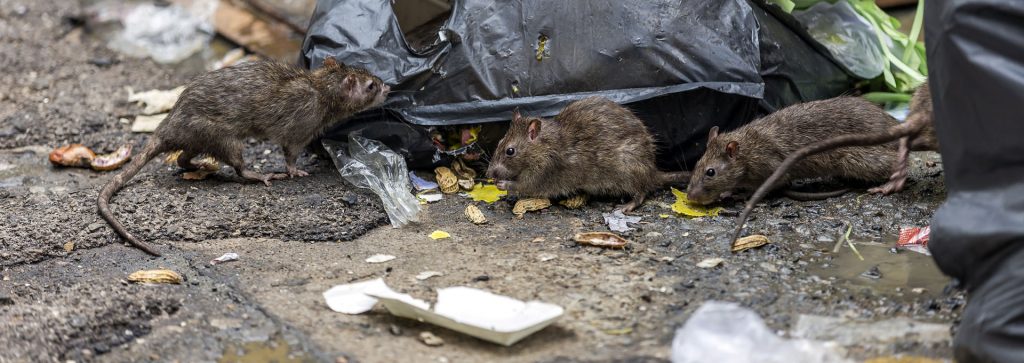
Urban areas are becoming hotspots for pest infestations, driven by dense populations and abundant resources that provide pests with food, shelter, and breeding grounds.
The ever-increasing waste, cramped living conditions, and structural flaws in buildings all contribute to the perfect environment for pests to thrive.
From rats scurrying through alleyways to cockroaches hiding in kitchen crevices, urban pests pose significant threats to public health, hygiene, and property.
This blog explores the factors behind pest infestations in cities, effective preventative measures, and the critical role of professional pest control in tackling these challenges head-on.
Common Urban Pests
In cities, some pests are far more common than others due to the unique characteristics of urban environments. Rodents like rats and mice are ubiquitous, gnawing through electrical wires, spreading diseases, and contaminating food supplies.
Cockroaches, another frequent menace, are drawn to warm, damp spaces and can trigger allergies and asthma. Ants invade homes in search of food, while pigeons create unsightly messes and spread bacteria through their droppings.
Bed bugs, although small, cause distress with their itchy bites and are difficult to eradicate once they infest a property. Each of these pests brings its own set of problems, highlighting the importance of identifying and addressing them promptly.

Factors That Contribute to Urban Pest Infestations
Urban environments present a perfect storm of factors that encourage pests to settle and reproduce. Poor waste management, such as overflowing bins and litter on streets, offers a plentiful food supply for rodents and insects.
The high population density in cities not only creates more waste but also provides more hiding places for pests to escape detection. Structural issues in buildings, like cracks in walls or improperly sealed windows and doors, make it easy for pests to enter and establish colonies.
Additionally, urban heat islands—where cities are significantly warmer than surrounding areas—can create favourable climates for pests to breed year-round. Together, these factors make pest control a persistent challenge in cities.
Preventative Measures for Individuals
For individuals, taking proactive steps to reduce the likelihood of pest infestations is crucial. Proper waste disposal is a key measure; bins should always have secure lids, and rubbish should be disposed of promptly to avoid attracting pests.
Maintaining cleanliness in kitchens is equally important, as even small crumbs or spills can draw pests like ants and cockroaches. Food should be stored in airtight containers to prevent contamination.
Inspecting and sealing potential entry points, such as cracks in walls or gaps around windows and doors, can make a significant difference in keeping pests out.
Regular inspections for early signs of infestation, such as droppings or gnaw marks, allow for swift action to prevent a small problem from escalating.

Preventative Measures for Businesses
Businesses, particularly those in the food and hospitality sectors, have a heightened responsibility to prevent pest infestations. Implementing strict waste management protocols, including regular waste collection and secure bin storage, is essential to minimise the risk.
Staff should be trained to recognise the signs of pest activity and to follow best practices in cleanliness and hygiene. Regular maintenance of the premises, including repairing structural damage and keeping storage areas organised, helps eliminate potential hiding places for pests.
Investing in pest monitoring systems, such as traps and detection cameras, ensures that any pest activity is identified early and dealt with before it can escalate.
The Role of Local Authorities in Urban Pest Control
Local authorities play a vital role in maintaining a pest-free urban environment. By managing waste collection efficiently and ensuring that public spaces are kept clean, councils can significantly reduce the food sources that attract pests.
Authorities also have a responsibility to educate residents about pest prevention and to enforce regulations on businesses that fail to maintain proper hygiene standards.
Residents are encouraged to report infestations or instances of poor waste management, enabling councils to take action and maintain a clean and healthy urban environment for all.
Why Professional Pest Control is Essential
While individuals and businesses can take many steps to deter pests, professional pest control services are often indispensable in managing infestations effectively. Professionals bring expertise and experience, using safe and efficient methods tailored to the specific challenges of urban pest control.
They can provide preventative treatments, such as sealing entry points and applying eco-friendly deterrents, which are difficult to implement without specialist knowledge.
Additionally, professional services can address infestations at their source, ensuring the problem is thoroughly eradicated and unlikely to recur. For serious or recurring infestations, seeking professional help is not just an option but a necessity.
Conclusion
Preventing pest infestations in urban areas requires a multifaceted approach that combines individual responsibility, business diligence, and local authority action.
By understanding the factors that attract pests and taking proactive steps to address them, urban residents and organisations can create environments that are far less inviting to these unwelcome visitors.
Regular inspections, proper waste management, and professional pest control services are critical in maintaining clean, pest-free cities.
If you are concerned about pest issues in your area, contact a trusted pest control service today to protect your home or business from potential infestations.