
When we think of household pests, the usual suspects like mice, cockroaches, and wasps come to mind. These pests are notorious for the damage they cause and their frequent invasions of UK homes.
However, several lesser-known pests can be just as troublesome, often invading unnoticed until they’ve caused significant damage. Understanding these pests and taking preventive action can save homeowners from costly repairs and discomfort.
Lesser-known pests are typically overlooked because they are either harder to spot or the damage they cause is not immediately apparent. From insects that feed on books to beetles that burrow into wood, these pests can cause hidden damage to our homes and belongings.
In this blog, Sykes Pest Control will explore five of these lesser-known pests that might be lurking in your home and how you can prevent them from becoming a problem.
1. Silverfish
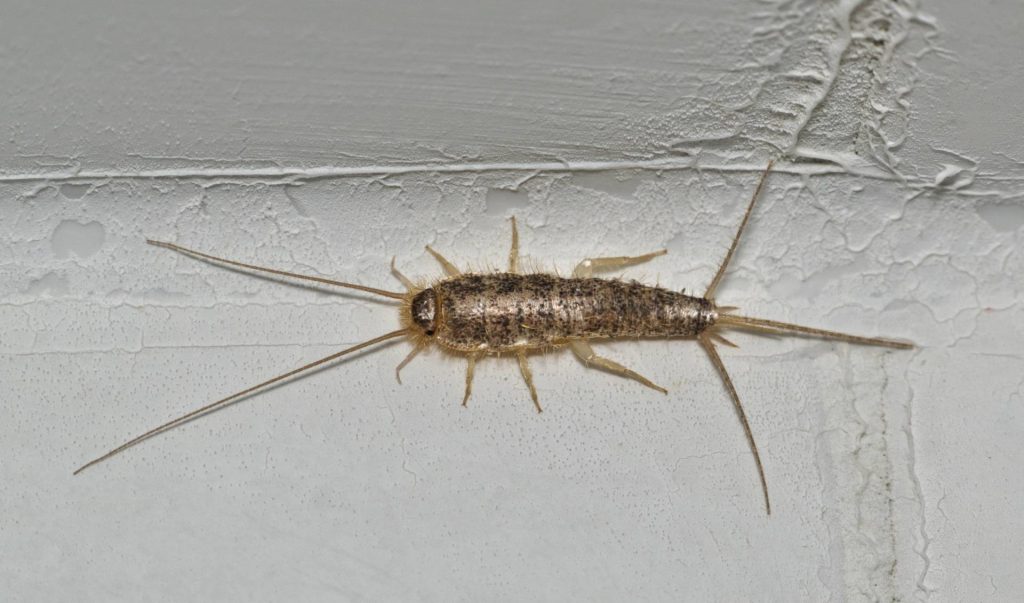
Silverfish are small, wingless insects with a distinctive metallic sheen, which gives them their name. These creatures are nocturnal and fast-moving, making them difficult to spot unless you know where to look.
Despite their harmless appearance, silverfish can be quite destructive, especially when it comes to starchy materials like wallpaper, books, and clothing. They thrive in damp, humid environments, often found in bathrooms, kitchens, and basements.
Preventing a silverfish infestation involves controlling humidity levels in your home. Using a dehumidifier or ensuring proper ventilation in high-moisture areas can help reduce the chances of these pests settling in.
Additionally, sealing cracks in walls and floors can block their entry, while keeping paper products stored securely will prevent them from finding an easy food source.
2. Booklice (Psocids)
Although tiny and often mistaken for dust, booklice can be a major nuisance in the right conditions. These soft-bodied insects feed on mould and fungi, and they thrive in environments with high humidity.
You’ll commonly find them in basements, under wallpaper, or even in food packaging if conditions are damp enough. While they don’t directly cause harm to people, booklice can damage paper goods, old books, and wallpaper.
To prevent booklice from settling in, it’s essential to reduce the moisture in your home. Ventilation is key, especially in damp areas like basements and attics. Using a dehumidifier can also help, particularly in areas prone to mould growth.
Regularly inspecting and cleaning old books and papers, especially those stored in humid conditions, can also stop a booklice infestation before it starts.
3. Woodworm
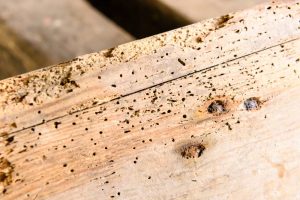
Woodworm refers to the larvae of several species of beetles that bore into and feed on wood. Over time, these larvae can cause extensive damage to wooden furniture, beams, and flooring.
While adults are small and relatively unnoticeable, the larvae remain hidden in the wood, feeding and creating tiny holes that may not be seen until the damage is done.
Woodworm infestations are often found in older homes or furniture that hasn’t been properly treated.
Preventing woodworm requires ensuring that wood is kept dry and well-maintained. Humid environments can attract these pests, so reducing moisture levels in areas like attics and basements is crucial.
Treating wooden surfaces with a wood preservative can also help deter wood-boring beetles. If you notice small holes in wooden furniture or beams, it’s important to act quickly and consult a professional for treatment to prevent further damage.
4. Carpet Beetles
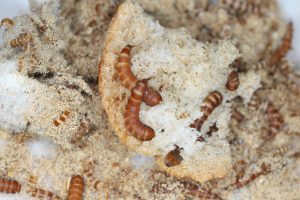
Carpet beetles are small, round beetles that can cause significant damage to fabrics, carpets, and upholstery. The larvae, known as “woolly bears,” feed on natural fibres such as wool, silk, and leather, making them a threat to your home’s textiles.
You might first notice them by finding small holes in your carpets or soft furnishings, especially in areas that are rarely cleaned, such as under furniture or in corners.
To prevent carpet beetles, regular vacuuming is key, especially in neglected areas of your home. Clothes and textiles made from natural fibres should be stored in airtight containers if not in regular use.
If you have valuable or delicate fabric items, it may be worth getting them professionally cleaned to ensure they are pest-free. Inspecting and treating upholstered furniture periodically can also help keep these destructive pests at bay.
5. Biscuit Beetles
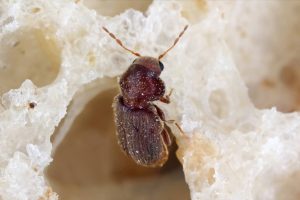
Biscuit beetles, sometimes confused with furniture beetles, are small reddish-brown insects that infest dry stored foods. Their larvae feed on cereals, flour, biscuits, and other pantry staples. Although they pose no direct harm to humans, the contamination they cause can lead to food spoilage and wastage.
You might spot biscuit beetles by finding small holes in packaging or by noticing them flying around your kitchen.
Preventing biscuit beetles involves maintaining a clean and well-organised pantry. Keep dry foods in airtight containers, and check food packages for signs of infestation before bringing them into your home.
Regularly clean out cupboards and dispose of expired or stale food to reduce the risk of attracting these pests. If you do notice an infestation, it’s important to discard any affected food immediately and thoroughly clean your kitchen storage areas.
Conclusion
While pests like rats and cockroaches are well-known household invaders, it’s important not to overlook the damage that lesser-known pests can cause. Silverfish, booklice, woodworm, carpet beetles, and biscuit beetles may not be as visible or immediately threatening, but they can wreak havoc if left unchecked.
By recognising the signs of these pests and taking preventive measures, you can protect your home and belongings from costly damage.
Remember, the best defence against any pest is vigilance and maintenance. Regular cleaning, reducing humidity, and sealing up entry points are all effective ways to prevent these pests from making your home their own.
However, if you find yourself facing a persistent infestation, seeking professional pest control services is always the safest and most efficient solution.