
Common DIY Pest Control Methods
DIY pest control typically involves a range of methods, including the use of store-bought products like insecticides, rodent traps, and bait stations. Many people also turn to natural remedies such as essential oils, vinegar, or baking soda, believing them to be safer alternatives. Online tutorials provide step-by-step instructions for creating homemade solutions to deal with common pests. These methods appeal to homeowners due to their availability and low upfront costs. However, their generalised approach often fails to address the specific nature and complexity of pest infestations, which can lead to ineffective results or further complications. 
Inadequate Identification of the Pest Problem
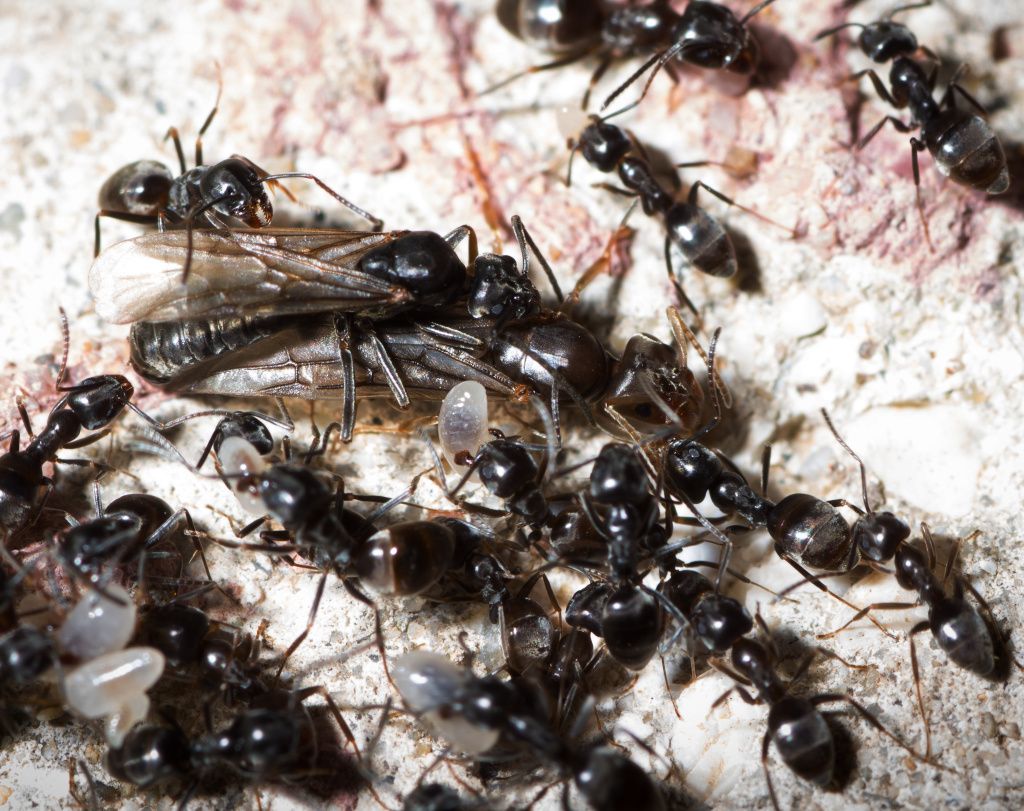
One of the biggest challenges with DIY pest control is the difficulty in correctly identifying the pest problem. Different pests require specific treatments, and failing to determine the exact species or source of the infestation can render DIY methods ineffective. Misidentification can lead to the use of unsuitable products or techniques, potentially making the situation worse. For instance, treating an ant infestation as a termite problem may not only waste time and money but could also allow the infestation to spread unchecked. Proper pest identification is crucial for choosing the right solution, something that often requires professional expertise.
Ineffectiveness of DIY Methods
While DIY products and techniques may provide temporary relief, they often fall short in delivering a long-term solution. Over-the-counter products are generally less potent than those used by professionals, limiting their ability to eliminate infestations. Furthermore, DIY methods rarely address the root cause of the problem, such as pest entry points or hidden nesting areas. As a result, pests are likely to return after a short period, leading to frustration and repeated efforts. Without targeted treatments, homeowners risk wasting time and resources while still living with an unresolved pest issue. 
Health and Safety Concerns
DIY pest control can pose significant health and safety risks, particularly when dealing with chemical-based products. Many people are unaware of the correct handling, application, or storage of these substances, increasing the likelihood of exposure to toxic chemicals. This is particularly concerning in households with children, pets, or individuals with respiratory issues. Improper use can also result in environmental contamination, affecting nearby plants, water sources, and non-target wildlife. Even natural remedies, when used inappropriately, can cause unintended harm. Professional pest control services are equipped to handle treatments safely, ensuring minimal risk to people and the environment.
Escalation of the Problem
When DIY methods fail to address the problem effectively, infestations can worsen over time. In some cases, improper treatment can drive pests deeper into walls, floors, or other inaccessible areas, making them even harder to eliminate. Additionally, repeated exposure to low-grade treatments can result in pests developing resistance to certain chemicals, reducing their effectiveness. This can lead to a more severe and costly problem that requires extensive intervention. What may have started as a manageable issue could escalate into a full-blown infestation, emphasising the need for professional pest control from the outset.
Benefits of Professional Pest Control
Hiring a professional pest control service offers numerous advantages over DIY methods. Professionals have the expertise to correctly identify the pest and implement targeted solutions that are safe, effective, and long-lasting. They also have access to advanced tools, techniques, and treatments that are not available to the general public, ensuring the infestation is dealt with comprehensively. Additionally, professionals can provide preventative measures to reduce the likelihood of future infestations. By choosing expert help, homeowners gain peace of mind, knowing the problem has been resolved correctly. While professional services may seem costly upfront, they often prove to be a more cost-effective solution in the long term. 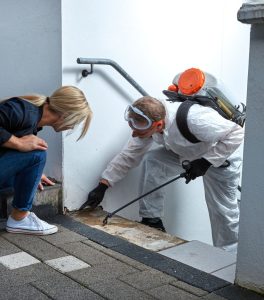
Conclusion
While DIY pest control might seem like an appealing option, it comes with a host of risks, from ineffective treatments to health and safety concerns. Misidentifying the pest, mishandling chemicals, or failing to address the root cause can all result in further complications and increased costs. Professional pest control offers a safer, more reliable, and ultimately more efficient solution to pest problems. If you’re dealing with an infestation or simply want to ensure your home remains pest-free, consider reaching out to a trusted pest control expert. Their knowledge and resources can save you time, money, and stress in the long run.