
When you see a striped insect buzzing around your garden, your first instinct might be to assume it’s a bee. But not so fast – it could very well be a wasp.
While both creatures might look similar at a glance, the differences between them are stark, especially when it comes to their behaviour and the problems they can cause around your home.
Understanding these differences is more than just trivia – it can help you avoid nasty stings, unnecessary panic, and ensure you respond appropriately.
Bees play an essential role in the environment and are generally peaceful by nature. Wasps, on the other hand, are aggressive, persistent, and quite frankly – a menace.
Appearance: Similar Buzz, Very Different Look
Bees have a furry, robust body that helps them collect pollen, and they typically have a more rounded, gentle appearance.
They move slowly and deliberately, often seen hopping between flowers as they go about their important pollination work. Their colouring is usually duller – more of a golden-brown with black stripes.
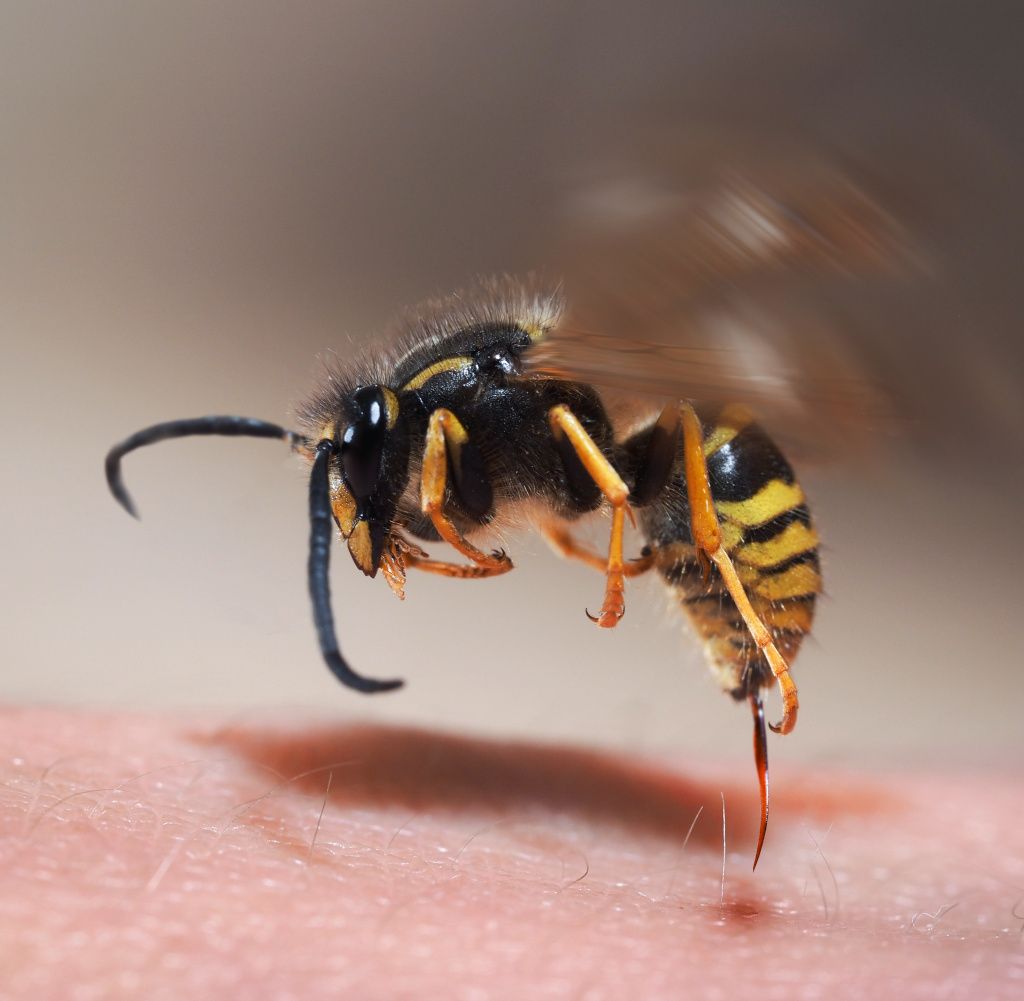
Wasps, by contrast, have smooth, shiny bodies with bright yellow and black stripes and a pinched “wasp waist”. They look sharper and more streamlined, and their movements are quicker and more erratic.
They also tend to hover menacingly around food or bins, often giving people a reason to flinch. If it looks angry – it’s probably a wasp.
Nesting Habits: Hive vs Hive of Trouble
Bees build wax-based hives, typically in trees, hollows, or beekeepers’ boxes. They work cooperatively and rarely cause issues near human dwellings unless provoked.
Even then, bee colonies prefer to avoid confrontation, making their presence relatively harmless in most cases.
Wasps, however, build papery nests using chewed wood pulp, often in the worst places – under eaves, in lofts, sheds, and even underground.
They are highly territorial and aggressive when disturbed. A single nest can house thousands of wasps, and once one becomes agitated, it won’t be long before the rest follow suit.
Behaviour: Pollinators vs Predators
Bees are among nature’s hardest workers – flying from flower to flower, collecting nectar and pollinating plants in the process. Without them, our food supply would be in serious jeopardy.
They’re not interested in your sandwich or fizzy drink and will only sting if they feel directly threatened.
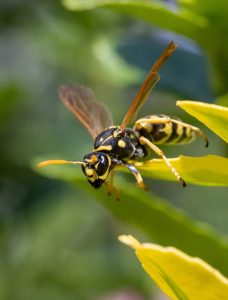
Wasps, on the other hand, are scavengers and predators. In spring, they hunt insects to feed their young, but by summer, they switch to scavenging – raiding bins, invading barbecues, and bothering anyone eating outdoors.
They’re unpredictable and will sting with little or no provocation, making them a serious nuisance.
Stings: One-and-Done vs Repeat Offenders
When a bee stings, it loses its stinger and dies shortly after. As such, bees only sting as a last resort, usually when they feel their hive is under threat.
Their sting is painful, but rarely do they sting unless severely provoked.
Wasps don’t follow the same rules. They can sting multiple times and will often do so even if you’re simply minding your own business.
Worse still, when one wasp stings, it releases a pheromone that signals others to join in. This can quickly escalate a minor encounter into a dangerous swarm.
Role in Nature: Essential vs Expendable?
There’s no debate about it – bees are vital. They pollinate crops, wildflowers, and trees, supporting entire ecosystems and ensuring we have fruits, vegetables, and even livestock feed.
Efforts to protect bees are taken seriously worldwide, and rightly so.
Wasps do have some limited value, such as controlling small insect populations, but let’s not sugar-coat it – their aggression and tendency to invade human spaces far outweigh their benefits. They are often more trouble than they’re worth, and most people breathe a sigh of relief when a wasp nest is removed.
Dealing with Them: Call a Professional
It’s crucial not to try and handle a suspected nest yourself. Wasps are aggressive defenders of their territory, and even a cautious approach can trigger an attack. Bees, on the other hand, may require relocation, not extermination, and this must be done humanely and carefully.
Whether you’re dealing with a bee or a wasp nest, professional identification and removal are key.
At Sykes Pest Control, we know the difference – and more importantly, we know how to handle them safely. Don’t risk a painful mistake. If you’ve got unwanted buzzers making themselves at home, give us a ring.
Conclusion
While wasps and bees may look alike at a glance, they couldn’t be more different in how they behave and the problems they cause. Bees are gentle, vital pollinators that deserve protection and respect. Wasps, on the other hand, are aggressive scavengers that often become a dangerous nuisance, especially during the warmer months.
If you’re ever unsure which one you’re dealing with, it’s best not to take chances. A wasp infestation can quickly become a serious issue. Contact Sykes Pest Control — we’ll identify the threat and deal with it swiftly and safely, so you can enjoy your home and garden without the worry of unwanted stingers.