
With the arrival of warmer weather, longer days, and the unmistakable scent of summer in the air, most of us look forward to spending more time outdoors — in gardens, parks, and pub beer gardens. But with the sunshine also comes the return of a less welcome guest: the wasp.
Every year, wasp activity in the UK picks up from late spring and continues through to early autumn. While these insects do serve a purpose in nature, their aggressive behaviour and painful stings can quickly turn a relaxing afternoon into a stressful encounter. If you’re starting to notice more wasps buzzing around, you’re not alone — and it’s a good idea to understand what’s going on and what steps you can take.
Why Do Wasps Become a Problem in Summer?
The lifecycle of a wasp colony is closely tied to the seasons. After hibernating through the winter, queen wasps emerge in spring to build new nests and lay the first batch of eggs. By early summer, the colony starts to grow rapidly, with hundreds — sometimes thousands — of worker wasps helping to feed the young and expand the nest.
By late summer, however, the dynamic shifts. The queen stops laying eggs, and the workers have fewer tasks to occupy them. With their natural food source drying up, they begin foraging more aggressively for sweet, sugary substances — which is why they’re suddenly everywhere: around your drinks, your bins, your barbecues, and even indoors.
This is also when wasps are most likely to sting. Without their usual role in the colony, they become irritable and territorial. A sudden movement or accidental swat can quickly provoke an attack.
Common Wasp Nest Locations
 Wasps are remarkably resourceful when it comes to choosing nesting sites. Some of the most common areas include:
- Loft spaces and attics
- Wall cavities and air vents
- Garages, sheds, and outbuildings
- Beneath roof tiles or eaves
- Trees, shrubs, and hedgerows
- Behind cladding or under decking
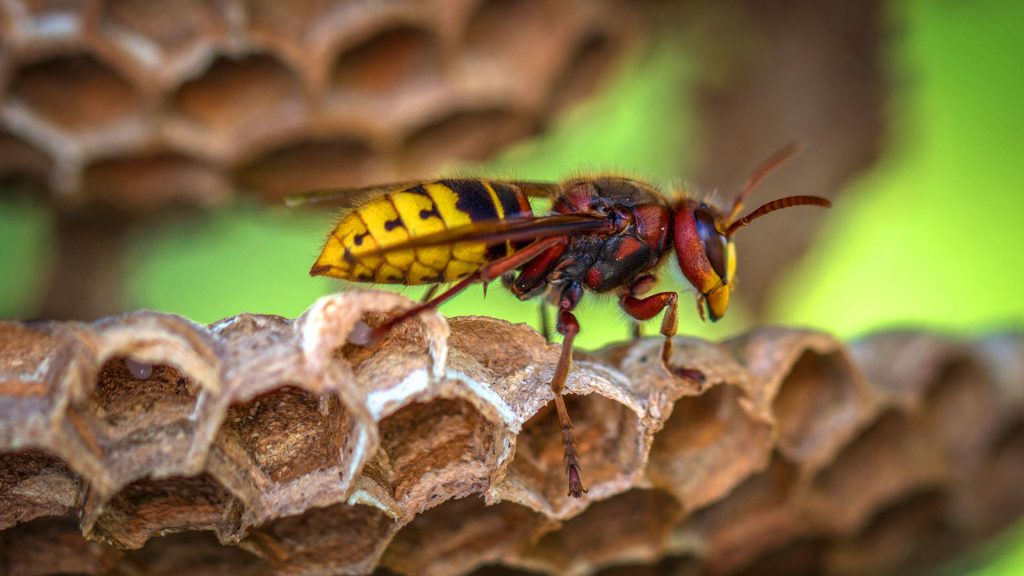
The nests themselves are usually made from chewed wood and saliva, forming a papery, honeycomb-like structure. In the early stages, nests can be the size of a golf ball — but by August, they can grow to the size of a football or larger.
If you spot a large number of wasps entering and exiting the same area, especially near your home, there’s a good chance a nest is nearby.
How Dangerous Are Wasps?
For most people, a wasp sting is unpleasant but manageable. However, for those with allergies to wasp venom, a single sting can cause a serious reaction known as anaphylaxis — a medical emergency that can be life-threatening.
Even for those without allergies, wasps become a real concern when nests are built in high-traffic areas like gardens, doorways, children’s play areas, or workplace entrances. Multiple stings from an aggressive swarm can be painful and distressing, particularly for the elderly, children, or pets.
Attempting to remove or destroy a nest without proper equipment and training is not only dangerous but can also make the problem worse.
When to Call a Professional
If you’ve found a nest or suspect you have one nearby, it’s best to avoid disturbing it and call in the experts.
At Sykes Pest Control, we specialise in safe, efficient, and discreet wasp nest removal throughout Yorkshire and surrounding areas. Our fully qualified technicians use the latest techniques and protective equipment to treat the problem quickly — often in a single visit — ensuring the nest is no longer a threat.
While there are DIY sprays available, they’re not always effective and can actually provoke wasps into attacking. Professional treatment is always recommended for nests near people, or when the location makes access tricky or dangerous.
How to Deter Wasps from Your Property
Prevention is always better than cure. While you can’t keep wasps out of the area entirely, you can make your home or business far less appealing to them. Here are a few simple tips:
Keep food and drinks covered when eating outdoors
Rinse out bottles and cans before recycling
Seal bins tightly and clean around bin areas regularly
Avoid wearing strong fragrances when outside, as wasps are attracted to floral scents
Inspect your property in spring for early signs of nests — early treatment is quicker and easier
Block small entry points to lofts, sheds, and wall voids
What Sets Sykes Pest Control Apart?
We’re a local, family-run business with years of experience in tackling all types of pest problems, including wasp nests. Our approach is simple: effective treatment, excellent service, and honest advice. We don’t over-sell and we don’t use scare tactics — just professional support when you need it most.
If you’re already battling wasps or want peace of mind heading into the warmer months, we’re here to help.
Need Advice or a Quick Call-Out?
If you think you’ve spotted a wasp nest or want to be proactive before summer is in full swing, get in touch with Sykes Pest Control today. We’ll offer clear guidance and fast service to help you enjoy your summer without the sting. Contact us