
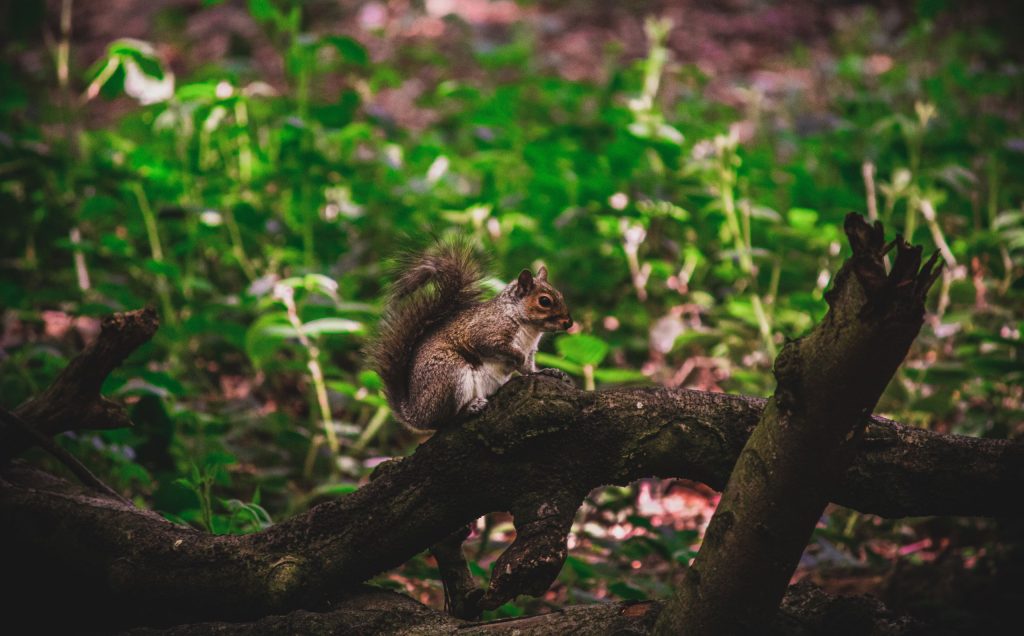
Many gardeners see insects as nothing more than pests that damage plants and ruin their hard work. It’s common to reach for chemical sprays or pest deterrents at the first sign of bugs in the garden.
However, not all insects are harmful – many are vital to maintaining a healthy, thriving ecosystem. Understanding the role of different insects can help gardeners work with nature rather than against it.
Insects play a crucial role in pollination, pest control, and soil health, making them essential for a flourishing garden.
By recognising their benefits and encouraging their presence, gardeners can reduce their reliance on pesticides, promote biodiversity, and create a more balanced environment.
This blog explores the importance of beneficial insects and how to foster a garden that welcomes them.
The Role of Insects in the Garden
Insects are a fundamental part of the natural world, contributing to plant growth, decomposition, and the overall health of ecosystems.
Without them, many plants would struggle to reproduce, the soil would lose its nutrients, and pest populations would spiral out of control. A garden without insects is an unbalanced space where plants and wildlife cannot thrive.
There are three main categories of beneficial insects: pollinators, predators, and decomposers. Each group has a unique role in supporting a garden’s ecosystem.
Pollinators ensure plants can reproduce, predators keep harmful pests in check, and decomposers break down organic matter, enriching the soil.
By welcoming these insects rather than fearing them, gardeners can create a space that sustains itself naturally.
Pollinators: Nature’s Gardeners
Pollinators such as bees, butterflies, and hoverflies play a vital role in the reproduction of flowering plants. They transfer pollen from one bloom to another, enabling plants to produce fruit, seeds, and new growth.
Without pollinators, many plants – including fruits, vegetables, and flowers – would struggle to develop properly, leading to poor harvests and declining biodiversity.
Encouraging pollinators in the garden is simple and rewarding. Planting a variety of nectar-rich flowers, such as lavender, foxgloves, and buddleia, will attract bees and butterflies.
Avoiding pesticides, providing water sources, and maintaining flowering plants throughout the seasons will help sustain pollinator populations, ensuring a healthier and more vibrant garden.
Natural Pest Control: Predatory Insects
Not all insects in the garden are destructive – many act as natural pest controllers, keeping harmful bugs in check.
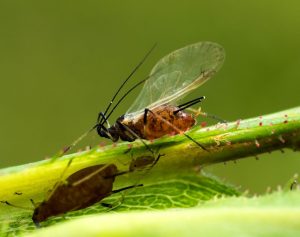
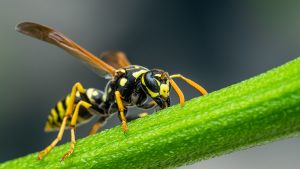
Ladybirds, lacewings, and parasitic wasps are just a few examples of predatory insects that help control aphids, caterpillars, and other plant-damaging pests.
By relying on these natural predators, gardeners can reduce the need for chemical pesticides, which often harm beneficial insects as well.
To encourage predatory insects, it’s important to provide them with the right habitat. Planting a diverse range of flowers, shrubs, and herbs can attract these natural allies.
Leaving small areas of the garden undisturbed, with logs, stones, or wildflowers, will also offer shelter and breeding spaces for these helpful creatures, allowing them to thrive and keep pest populations under control.
Decomposers: The Garden’s Cleaning Crew
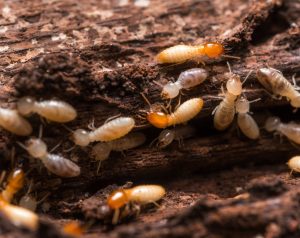
While they may not be as noticeable as pollinators or predators, decomposing insects such as beetles, woodlice, and worms play an essential role in soil health.
These creatures break down organic matter, such as dead leaves and plant debris, turning it into nutrient-rich compost that supports plant growth. Without decomposers, gardens would quickly become overwhelmed with waste, and soil fertility would decline.
Supporting decomposers is easy and requires little effort. Leaving leaf litter, using mulch, and composting garden waste provides them with the materials they need to do their job.
A healthy population of decomposers ensures soil remains rich and aerated, allowing plants to access the nutrients they need to thrive.
How to Foster a Bug-Friendly Garden
Creating a garden that welcomes beneficial insects involves providing food, water, and shelter. Planting a variety of flowers, herbs, and native plants will attract different insect species.
Wildflower patches, hedgerows, and insect hotels offer safe spaces for bugs to rest and reproduce, helping to maintain a healthy and diverse ecosystem.
Another key step is to minimise pesticide use, as these chemicals often kill both pests and beneficial insects. Opting for organic gardening methods, such as companion planting and hand-picking pests, can keep harmful insects in check without disrupting the balance of nature.
A garden that supports insects will, in turn, support itself, leading to healthier plants and a more resilient environment.
Conclusion
Embracing insects in the garden may require a shift in mindset, but the benefits far outweigh the drawbacks. Pollinators, predators, and decomposers each play a vital role in maintaining a balanced and healthy ecosystem.
By fostering a garden that supports these creatures, gardeners can reduce their reliance on chemicals, improve plant health, and enjoy a more sustainable growing environment.
Rather than viewing all insects as pests, it’s time to recognise them as allies. Simple steps, such as planting the right flowers, avoiding pesticides, and providing shelter, can make a huge difference.
A bug-friendly garden is a thriving garden – and by working with nature, we can create outdoor spaces that benefit both people and wildlife.