

You treat the cat or dog, wash a few blankets, vacuum the carpets and expect the biting to stop. Then, a few days later, another flea appears. It is frustrating, especially when you feel you have already done the right thing.
The reason is usually simple. Fleas do not live only on pets. Much of the problem can sit hidden in carpets, pet beds, sofas, cracks around skirting boards and other soft or sheltered areas around the home.
Why treating the pet alone may not solve the problem
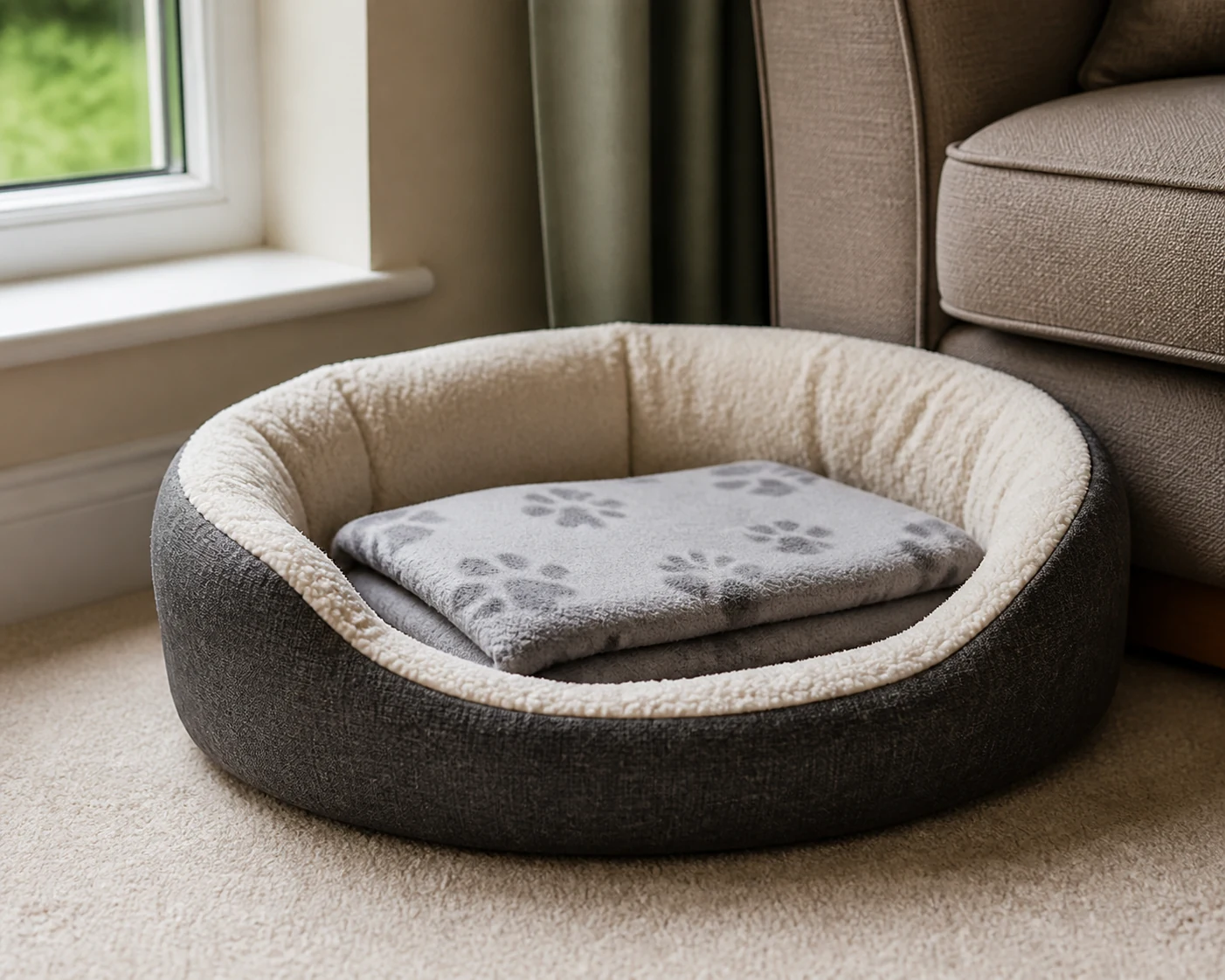
Adult fleas feed on pets, so it is natural to focus on the animal first. Veterinary flea treatment is an important part of control, but it only deals with one part of the flea life cycle. Eggs, larvae and pupae can remain in the property after the pet has been treated.
Flea eggs are not sticky. They can fall from the animal wherever it rests, sleeps or walks. That means the problem may be spread through rugs, bedding, soft furniture and floor edges before you notice regular bites. By the time adult fleas are visible, there may already be immature stages developing nearby.
This is why a treated pet can still pick up newly emerged fleas from the home environment. The treatment may affect fleas once they jump onto the animal, but it does not instantly remove every egg, larva or pupa from the property. Without addressing those areas, the cycle can continue.
If you are dealing with repeated activity, Sykes Pest Control offers professional bed bug and flea treatment that focuses on the property as well as the visible signs of infestation.
How the flea life cycle keeps activity going
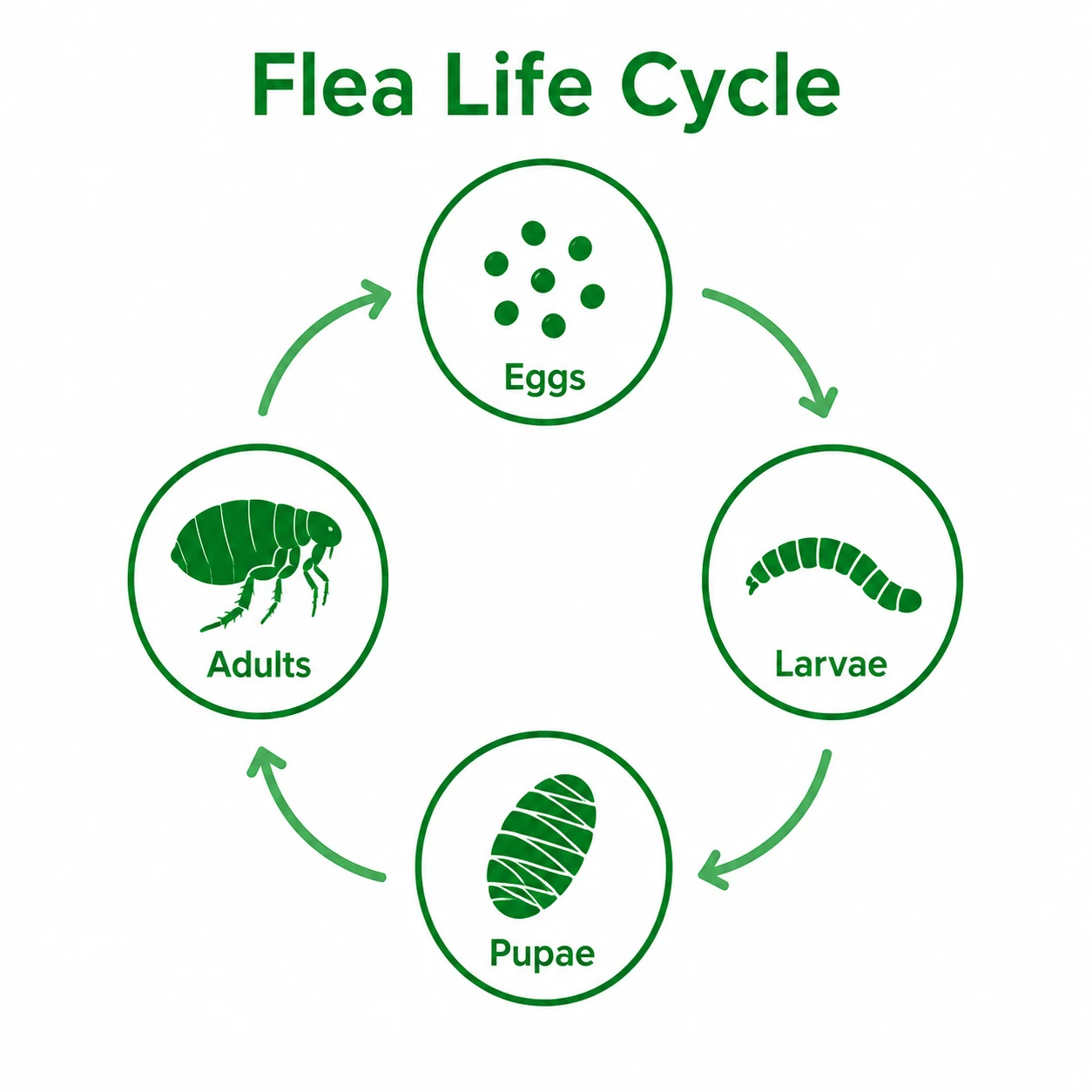
Understanding the life cycle helps explain why fleas can seem to come back after treatment. Fleas develop through four main stages: egg, larva, pupa and adult. The adult flea is the stage people usually see, but it is not the whole problem.
Eggs can drop into carpets, bedding and upholstery. Larvae then seek darker, protected areas where they feed on organic debris. They often remain hidden deep in fibres or small gaps, so they are easy to miss during normal cleaning. Pupae are even more difficult because they sit inside a protective casing while the adult flea develops.
Adult fleas may emerge when they detect warmth, vibration or movement. This is why bites can suddenly increase when a room is used again, after cleaning, or after a pet returns to a favourite resting spot. It can feel as though treatment has failed, when in reality new adults are emerging from stages that were already present.
Home sprays and powders can help in some situations, but they are often applied unevenly. Missed areas, untreated rooms and soft furnishings can allow enough fleas to survive for the issue to continue. For practical prevention guidance, Sykes Pest Control also has advice on flea control and prevention.
Where fleas hide around the home
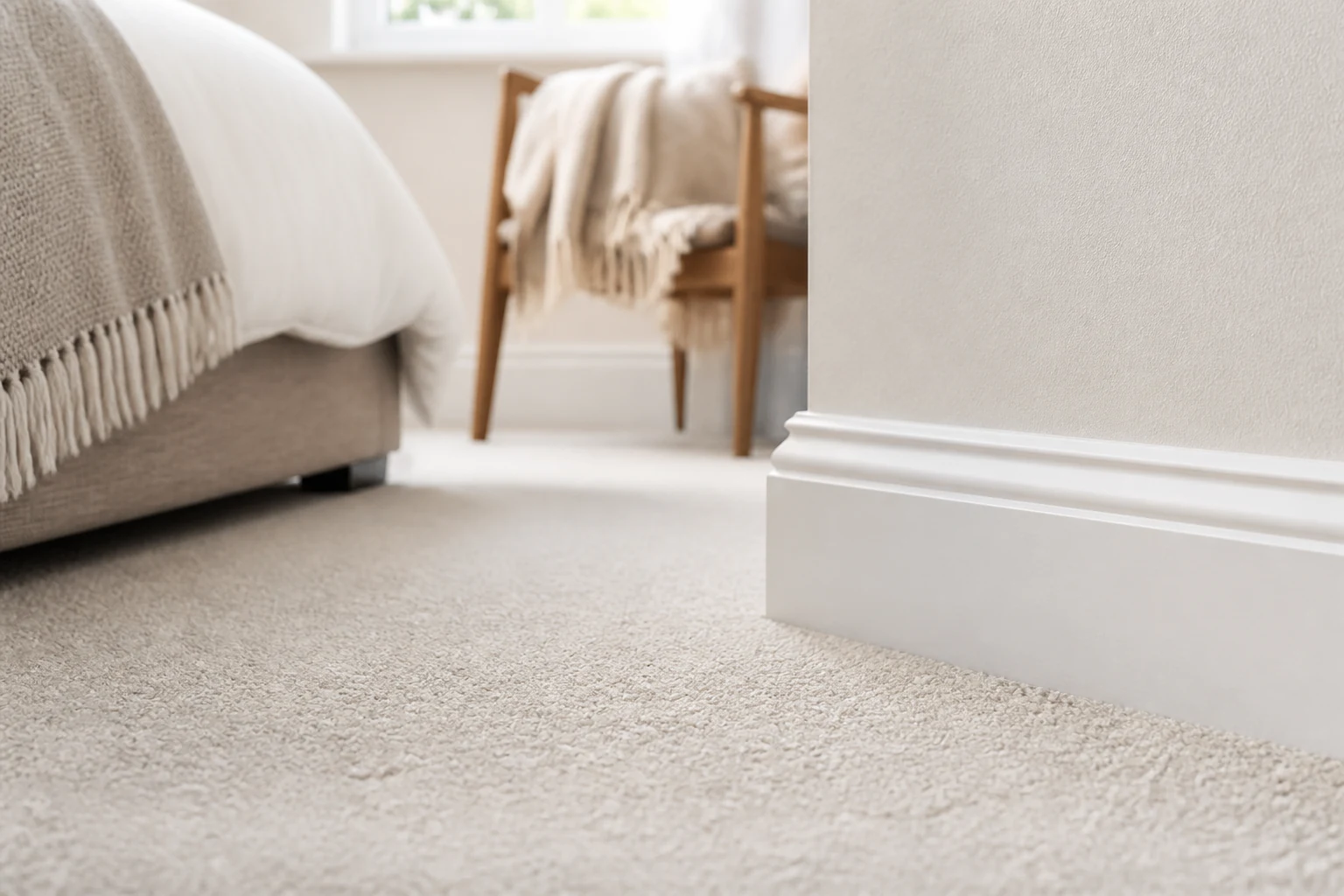
Fleas favour places where pets spend time. Pet beds, sofa cushions, bedroom carpets, rugs, throws and blankets are common areas. They may also be found around skirting boards, under furniture, in gaps between floorboards and in rooms where pets are allowed to sleep.
It is possible to have flea activity even if the pet does not enter every room. Eggs can be moved on fabrics, clothing, bedding or vacuum equipment. In shared living spaces, fleas can also be noticed by people before the source is obvious.
The most important areas to check are the places where the pet rests for long periods. Look at bedding, favourite corners, soft furnishings and any warm, sheltered spot. Fleas may not always be visible, but signs can include small dark specks, increased scratching from pets, bites around ankles and repeated sightings of tiny jumping insects.
Cleaning helps, but it needs to be thorough and repeated. Vacuum carpets, rugs, upholstery edges and gaps carefully. Empty the vacuum contents outside straight away where possible. Wash pet bedding and washable fabrics at a suitable temperature for the material. These steps reduce pressure, but a developed infestation may still need professional property treatment.
Why bites can continue after you have cleaned
Many people clean heavily once they spot fleas, then feel discouraged when bites continue. This does not mean cleaning was pointless. Vacuuming can remove some adults, eggs and debris, and it can stimulate pupae to emerge. However, it may not reach everything.
Carpet depth, furniture placement and room layout all affect how easily fleas can be removed. Larvae may sit below the surface of carpet fibres or close to wall edges. Pupae can be more resistant to disturbance and may not all emerge at once.
There is also a timing issue. Flea activity rarely stops the second treatment begins. If eggs and pupae are already present, you may notice fresh adult fleas for a period while the remaining stages emerge. The aim is to break the cycle so those adults cannot continue breeding in the property.
This is where coordinated treatment matters. Pet treatment, cleaning and property treatment work best when they support each other. The pet should be treated under veterinary guidance, while the home environment is cleaned and, where needed, treated by a trained pest control technician.
What professional flea treatment adds
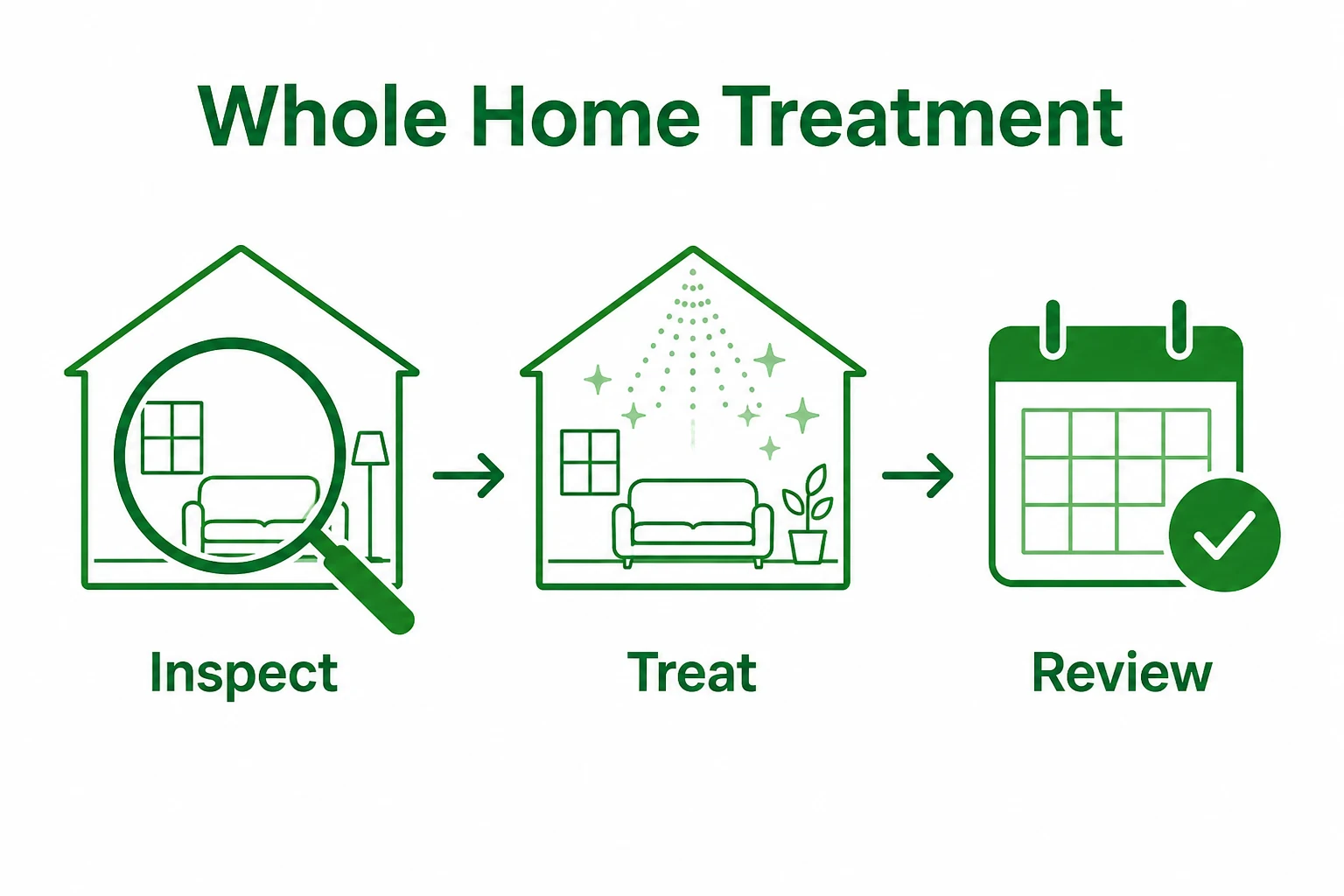
Professional treatment is not simply a stronger version of a shop bought spray. A technician looks at how the infestation is behaving in the property. They consider where pets rest, which rooms are affected, what surfaces are present and where fleas are most likely to be developing.
This helps target treatment to carpets, floor edges, soft furnishings and other relevant areas. It also reduces the chance of obvious hiding places being missed. Professional advice can help you prepare rooms properly, understand what to wash or move, and know what to expect after treatment.
A good visit should also include practical guidance for aftercare. That may include vacuuming routines, pet bedding management, access to treated areas and signs to monitor. The goal is to remove the conditions that allow the infestation to keep recycling through the home.
For households that have already tried pet treatment and cleaning, this property focused step is often the missing part. It addresses the spaces where eggs, larvae and pupae can remain after the animal has been treated.
How to reduce the chance of fleas returning
Once flea activity is under control, prevention becomes much easier. Keep pet flea treatment up to date as advised by your vet. Wash pet bedding regularly, vacuum areas where pets rest, and pay attention to rooms that are used less often. Fleas can become noticeable again when quiet spaces are disturbed.
If you move into a new property, inherit soft furnishings, or notice unexplained bites soon after a change at home, it is worth thinking broadly about possible pest issues. A professional inspection can help when the signs are unclear, especially if more than one pest could be involved. Sykes Pest Control has a helpful guide on whether to arrange a pest inspection for a new home.
The earlier you act, the easier flea control usually becomes. Treat the pet, clean the environment and do not ignore repeated bites. Fleas are manageable, but they need the whole life cycle to be considered.
- Flea treatment for pets is important, but eggs, larvae and pupae can remain in the property.
- Carpets, pet bedding, sofas, rugs and floor edges are common hiding places.
- Bites can continue while immature flea stages develop and new adults emerge.
- Vacuuming and washing help, but developed infestations may need professional property treatment.
- The best results usually come from combining veterinary pet care, thorough cleaning and targeted treatment of the home.
Frequently asked questions
Why do I still see fleas after treating my pet?
Your pet may have been treated correctly, but eggs, larvae or pupae may already be present in carpets, bedding and soft furnishings. As new adult fleas emerge, they can still be seen in the home.
Can fleas live in carpets without pets?
Flea larvae can develop in carpets and sheltered areas if eggs have already been dropped there. Adult fleas need a blood meal, but immature stages can remain hidden in the environment for a time.
Should I throw away pet bedding after fleas?
Not always. Washable bedding can often be cleaned according to the care label. Heavily affected or difficult to clean items may need closer consideration, especially if activity keeps returning.
When should I call a pest control technician for fleas?
Call when bites continue after pet treatment and cleaning, when several rooms are affected, or when you keep seeing fleas despite repeated home efforts. Professional treatment can target the property areas that pet treatment does not cover.
Need help breaking the flea cycle?
If fleas keep returning after treating your pets, Sykes Pest Control can assess the property and target the areas where the life cycle is continuing.