
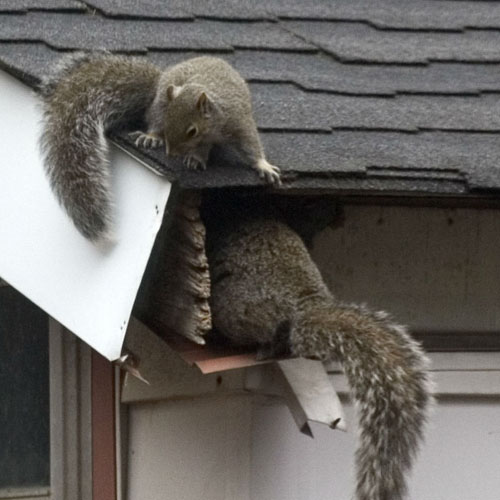
Hearing strange noises overhead is never reassuring, especially at night. For many homeowners, one of the first suspicions is that something has got into the loft. In a lot of cases, that suspicion turns out to be right. Loft spaces offer warmth, shelter, nesting material and a quiet place away from regular household activity, which makes them attractive to rodents.
Rats and mice can cause more than annoyance. They can damage insulation, contaminate stored belongings, gnaw wiring, leave droppings and create a wider infestation risk if left unchecked. The earlier the problem is identified, the easier it usually is to deal with properly. For a broader look at rodent issues in the region, see our guide to rodents in Leeds and how to get rid of them.
In this guide, we will look at the common signs of rodents in the loft, why the issue should not be ignored, and what steps homeowners should take next.
Why lofts attract rodents
Lofts often provide exactly what rodents are looking for. They are dark, sheltered, undisturbed for long periods and usually full of materials that can be used for nesting. Small access points around rooflines, vents, gaps near pipework and defects in the building fabric can all give rodents a route in.
Once inside, they may stay hidden for some time. Many people do not realise there is a problem until the infestation becomes more obvious through sound, smell or visible damage.
The most common warning signs
The first clue is often noise. Scratching, scurrying or light gnawing sounds in the loft, especially during the evening or early morning, can point to rodent activity. Mice are often heard as lighter, quicker movement. Rats may sound heavier and more deliberate. While noise alone is not conclusive, it is one of the most common early signs.
Droppings are another strong indicator. Rodent droppings in loft spaces, near insulation, around access hatches or along known run routes suggest active use of the area. Nesting material such as shredded paper, fabric, loft insulation or cardboard can also reveal an established presence.
| Sign | What It May Mean | Urgency |
|---|---|---|
| Scratching or scurrying at night | Active movement in loft voids | Medium to high |
| Droppings near insulation or hatch areas | Established rodent use of the loft | High |
| Gnaw marks on timber, boxes or wiring | Ongoing activity and potential property damage | High |
| Strong musky smell | Droppings, urine or nesting in a confined area | Medium to high |
| Visible nesting material | Rodents are settled rather than passing through | High |
Damage is another important clue
Rodents chew constantly, and that behaviour can create property risks. In lofts, that may include gnawed timber, damaged stored items, torn insulation and, more seriously, chewing around cables. Wiring damage is one reason loft infestations should not be left alone. Even if the activity seems minor, the risk of hidden damage can grow quickly.
A persistent smell can also be a sign. Rodent urine and droppings create a distinct odour, especially in enclosed spaces with limited airflow. If the loft has started to smell unpleasant without another obvious cause, that can support other evidence of rodent presence.
Why DIY assumptions can go wrong
Homeowners sometimes hear one noise and immediately assume it is birds, squirrels or old timber movement. In other cases, they assume a single trap will solve the problem without checking how the rodents are getting in. The issue with that approach is that the loft infestation may be part of a wider access problem. If the entry point remains open, activity can continue or return even after some rodents are removed. This is one reason we often caution against relying only on DIY methods, as covered in our article on the risks of DIY pest control.
That is why proper identification and inspection matter. The goal is not only to react to the noise, but to understand the source, the scale of the issue and the likely access routes.
What to do if you suspect rodents in the loft
Start by avoiding unnecessary disturbance. If you decide to inspect the loft, do so carefully and do not handle droppings or nesting material casually. Look for obvious evidence such as droppings, disturbed insulation, gnaw marks and signs of entry around roof edges or service penetrations. If you are unsure or the loft is difficult to access safely, professional inspection is usually the better route.
It also helps to think about what may be attracting the rodents. Overflowing bins, accessible food sources, bird feed, clutter, gaps in brickwork or defects around pipes and cables can all contribute to the wider problem around the property.
Why fast action matters
Rodent problems rarely improve by themselves. A small issue can become a larger one if the loft provides a secure nesting space. The longer activity continues, the greater the likelihood of contamination, damage and spreading movement through the property. Acting early usually means a cleaner and more controlled resolution.
For households with children, pets, stored belongings or older wiring in the loft, the practical reasons for dealing with the issue promptly are even stronger.
Prevention after treatment
Once activity has been addressed, proofing and prevention become the next priority. That may include sealing entry points, checking vents, repairing gaps, improving storage habits and reviewing the exterior of the building for likely access routes. Long-term prevention is usually about making the property less accessible and less attractive to rodents in the first place. Regular inspections also play a part, which is why routine pest inspections can be so valuable.
This is an important point because treatment without proofing can leave the same vulnerabilities in place. A professional pest control approach should look beyond the immediate signs and consider how to reduce the chance of repeat problems.
Final thoughts
If you think you may have rodents in the loft, the signs to look out for are usually quite consistent: scratching noises, droppings, nesting material, damage and unusual smells. While any one sign on its own may not tell the full story, several together strongly suggest that the loft needs attention.
The key is not to ignore early evidence. Rodents in loft spaces can create hygiene issues, structural damage and ongoing frustration if left unresolved. The sooner the problem is identified properly, the sooner it can be dealt with in a controlled way.
For homeowners, the best approach is practical and simple: confirm the signs, avoid guesswork where possible, and act quickly before a manageable issue turns into a bigger one. In pest control, early action is almost always the easier option. If you need local help, you can also start from our main Bradford pest control service page.