
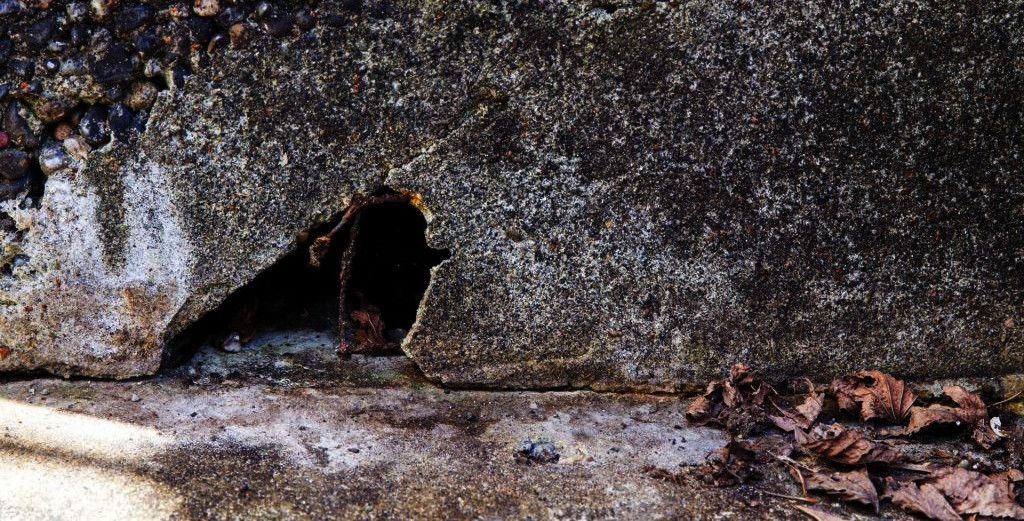
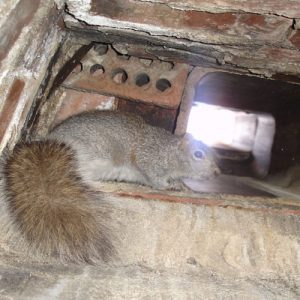
Hole and crack in persons home where pests hide

Autumn Rodent Rush

As the evenings draw in and temperatures dip, rats and mice start looking for warmer, safer places to nest. That often means your loft, garage, kitchen voids and outbuildings. Each year, September to November brings a clear spike in rodent call-outs across West Yorkshire. This guide explains why activity jumps in autumn, the risks to homes and businesses, the early signs to watch for, and how Sykes Pest Control deals with infestations quickly and safely.

Why autumn drives rodents indoors

Food becomes scarce outdoors after harvest, hedgerow cover thins, and cold nights push rodents towards reliable warmth and food. Buildings offer both. Lofts and wall voids mimic burrows without the weather. Kitchens provide steady crumbs, pet food and bins. Outbuildings, log stores and cluttered storage create perfect harbourage. Add in easy access points—gaps under doors, missing brush strips, broken air-brick grilles, or cracked drain connections—and you have a seasonal invitation.

Autumn behaviour changes to know about

  • Shelter seeking: Expect nesting in insulation, under floorboards and behind kitchen plinths.

  • Foraging shifts: Rodents focus on food bins, bird feeders, compost, animal feed and waste areas.

  • Drain routes: Norway rats in particular can travel through sewers and enter via defective pipework or disused gullies.

  • Breeding cycles: Populations built up over summer spread out to establish new harbourage as the weather turns.
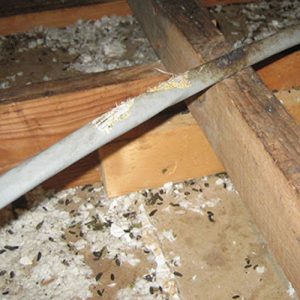
Early signs you shouldn’t ignore

  • Noises after dusk: Scratching, scurrying or gnawing in lofts, wall voids or under stairs.

  • Droppings: Mice leave small, rice-sized droppings; rat droppings are larger and spindle-shaped. Fresh droppings are dark and soft.

  • Gnaw marks and shredded material: Chewed cables, pipe lagging, cardboard and insulation used for nesting.

  • Grease marks and ammonia smell: Rub trails along regular routes; a musky odour in confined spaces.

  • Pet interest: Cats and dogs fixating on kickboards, under-cupboard spaces or behind appliances.

  • For businesses: Unexplained packaging damage, bait station take, or sightings near waste and loading bays.

If you notice two or more of these together, assume active ingress rather than a one-off visit.

Risks to homes and businesses

  • Health and hygiene: Rodents contaminate surfaces and stored foods. In food premises, that risks failed inspections and business disruption.

  • Property damage: Gnawed wiring increases fire risk; chewed pipes and fittings can cause leaks; insulation damage reduces energy efficiency.

  • Compliance and liability: Landlords and commercial operators have clear responsibilities to maintain pest-free premises. Ignoring activity only increases cost and exposure.

Autumn hotspots to check first

  • Lofts and eaves: Around cable and pipe penetrations, loft hatches and soffit gaps.

  • Door thresholds: Worn weather bars and missing brush strips, especially on garage and external store doors.

  • Kitchens and utilities: Behind appliances, under plinths, around service entries.

  • Outbuildings and storage: Sheds, log stores, garden cupboards and cluttered corners.

  • Drains and vents: Broken covers, disused gullies, uncapped redundant pipes, damaged air-brick grilles.

Common missteps that make problems worse

  • Using soft fillers or foam alone: Rodents chew through these quickly; gaps appear again within days.

  • Placing rodenticide randomly: Unplanned use is unsafe around children, pets and wildlife, and can drive bait-shyness.

  • Feeding birds right by the back door: Spilt seed near entry points trains rodents to forage at your threshold.

  • Waiting it out: Rodents are prolific breeders. A small problem in October can be a larger one by December.

How Sykes Pest Control tackles the autumn surge

1) Detailed survey and identification
We start with a methodical inspection to confirm species, trace activity routes and locate entry points and harbourage. We look at internal and external risk factors—waste management, storage, vegetation, drains and structural gaps.

2) Targeted treatment plan
Based on the survey, we implement a focused programme using professional-grade baits and/or trapping systems placed securely and in line with current legislation and best practice. The aim is fast knockdown of activity while protecting non-target species.

3) Robust proofing
Long-term control depends on closing entry points properly. We specify and fit appropriate materials—mesh to the correct gauge, rodent-resistant sealants, escutcheon plates, bristle strips, and repairs to vents and thresholds.

4) Monitoring and follow-up
We revisit to check uptake, remove carcasses where relevant, adjust placements and confirm that signs have ceased. You’ll receive clear recommendations and, for commercial clients, the documentation needed for audits.

5) Discreet, local service
We cover West Yorkshire with prompt attendance and can operate discreetly where required. Our technicians are experienced in domestic, landlord and commercial environments, including food premises and multi-occupancy buildings.

Housekeeping that genuinely helps (no home treatments)

These practical steps reduce attractants and harbourage without risking safety:

  • Secure waste: Keep outdoor bins closed; wipe rims and lids; ensure regular collections.

  • Store feed properly: Keep pet food and bird seed in sealed containers; tidy spills immediately.

  • Declutter key areas: Raise firewood off the ground; keep sheds and lofts tidy so activity can’t go unnoticed.

  • Shut the gaps you can:* Refit worn door brushes and weather strips; re-seat ill-fitting kickboards; fit pest-resistant cowlings on external vents.

  • Good closing routines (businesses): Clean floors under racking, rotate stock correctly, and lock waste areas.

*Where structural gaps or drains are involved, let us specify materials and carry out the work so you don’t inadvertently block ventilation or drive rodents into new areas.

Landlords and commercial sites: seasonal checks that pay off

  • Pre-winter inspections: Voids, risers, plant rooms and roof spaces should be checked for activity and access points.

  • Waste and loading areas: Repair bin store doors and thresholds; ensure clear demarcation between clean and dirty zones.

  • Records and compliance: Keep site plans, visit reports and proofing logs up to date for Environmental Health and third-party audits.

  • Routine monitoring: Contracted visits through autumn and winter maintain an early-warning system and reduce emergency call-outs.

When to call Sykes

Get professional help if you notice persistent scratching after dusk, fresh droppings, chewed wiring or pipes, or signs of ingress from drains or shared walls. Call sooner if there are children, vulnerable adults, pets or food operations on site. Swift action prevents spread, reduces cost and protects your property.

Book a survey

Seeing signs of an Autumn Rodent Rush? Sykes Pest Control provides rapid, compliant treatments and lasting proofing across West Yorkshire. Book a survey and let our technicians stop activity at the source and keep it from coming back.

Leave a Comment

Your email address will not be published. Required fields are marked *