
When scratching stops and droppings no longer appear, it is tempting to think a rodent problem is finished. Those are encouraging signs, but they do not tell you whether the route into your property is still open.
Baiting can help control rats and mice already present. Proofing tackles the gaps and defects that allowed them inside. Understanding both makes it easier to choose effective treatment and protect your home or business against another visit.
Why baiting and proofing do different jobs
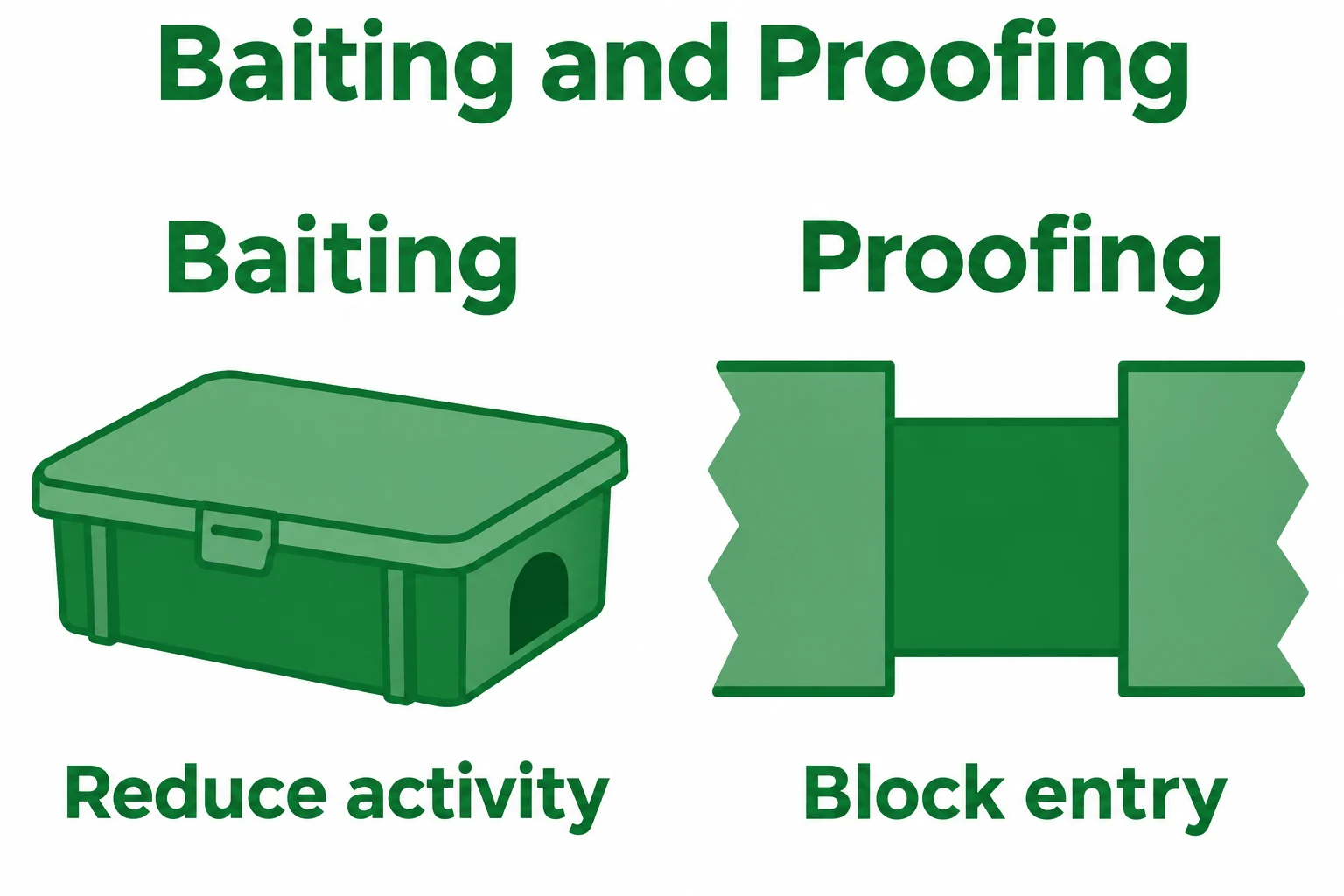
Rodent bait is a treatment tool, not a physical barrier. Where appropriate, a technician may use it alongside trapping, inspection and monitoring. Even successful treatment cannot repair a damaged air brick, close a gap beneath a door or fix a defective drain.
If an entry route remains available, other rodents can find it later. Food, water and shelter can continue attracting them even after the original activity has stopped. This does not necessarily mean the bait failed. It may mean the property still offers access.
A quieter property is encouraging, but the evidence needs checking. Reduced bait consumption alone does not prove that every rodent has gone. A technician should consider fresh droppings, monitoring results, sightings and other signs together. Our guide to common signs of a rodent problem explains what to watch for.
Proofing therefore belongs in the treatment conversation from the start, even when particular repairs happen later. The aim is to control current activity, understand how rodents are moving through the building and reduce the opportunity for another infestation. Each part supports the others.
Which access points need checking?
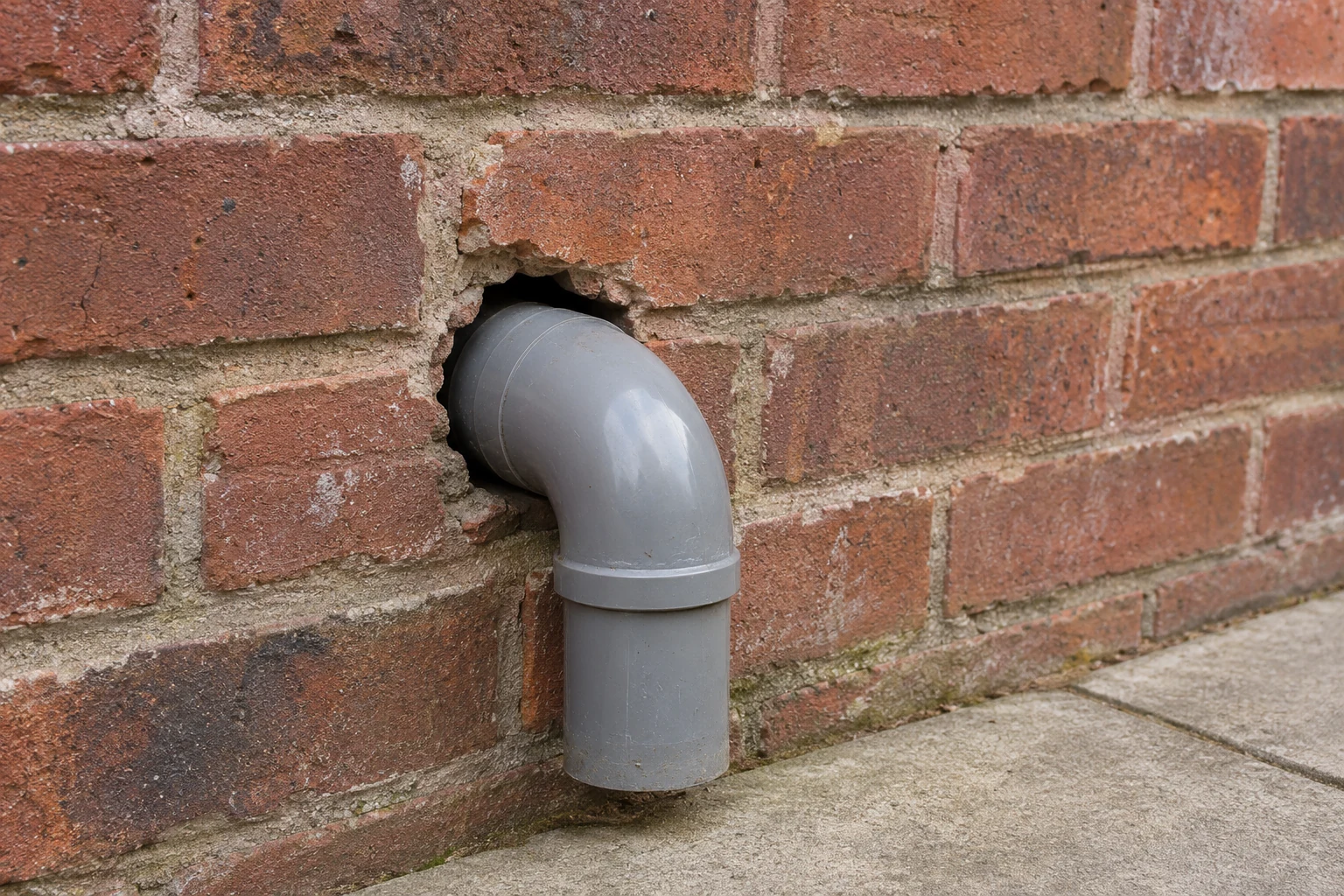
Rats and mice can exploit openings that are easy to overlook during everyday cleaning or maintenance. Mice can squeeze through surprisingly small gaps, while both species may enlarge vulnerable edges by gnawing. An inspection should look beyond the room where droppings first appeared.
Common places worth checking include:
- Gaps around water pipes, cables and other services entering external walls.
- Damaged air bricks, loose vent covers and missing mortar.
- Spaces beneath external doors, garage doors and doors into outbuildings.
- Openings behind kitchen units and around pipework beneath sinks.
- Gaps at roof edges and service routes leading into lofts or ceiling voids.
- Drainage defects that may provide rats with a route into the building.
Not every opening is an entry point. Some gaps connect internal spaces, while the actual entrance sits elsewhere. Sealing only the visible hole behind a cupboard may leave the external route untouched.
In attached buildings, rodents may also travel through shared voids or connected structures. Tell your technician about activity in adjoining areas where known. If evidence points towards drainage, a specialist drain investigation may be needed rather than surface repairs alone.
When should gaps be sealed?
Access checks should happen early, but the timing of repairs needs judgement. Closing an active route without understanding where rodents remain can trap them within the building or redirect their movement into another room.
This does not mean every repair must wait until all treatment is complete. Some openings can be secured during the programme, while others need monitoring or further control first. Ask your technician which repairs are suitable now and which should follow confirmation that activity has ended.
The material matters as much as the timing. Expanding foam alone is not a dependable rodent barrier because rodents can gnaw through it. Suitable repairs may involve metal mesh, purpose made guards, durable door seals or sound masonry, depending on the opening and its function.
Proofing must preserve ventilation, drainage and access for maintenance. Never block an air brick, flue or essential vent simply because it looks like a possible route. Screens and covers should be suitable for their location and maintain the required airflow.
Where repairs affect drains, electrical installations, gas services or fire protection, use an appropriately qualified tradesperson. Your pest technician can help identify the defect and explain its relevance to rodent activity.
What should happen when baiting finishes?
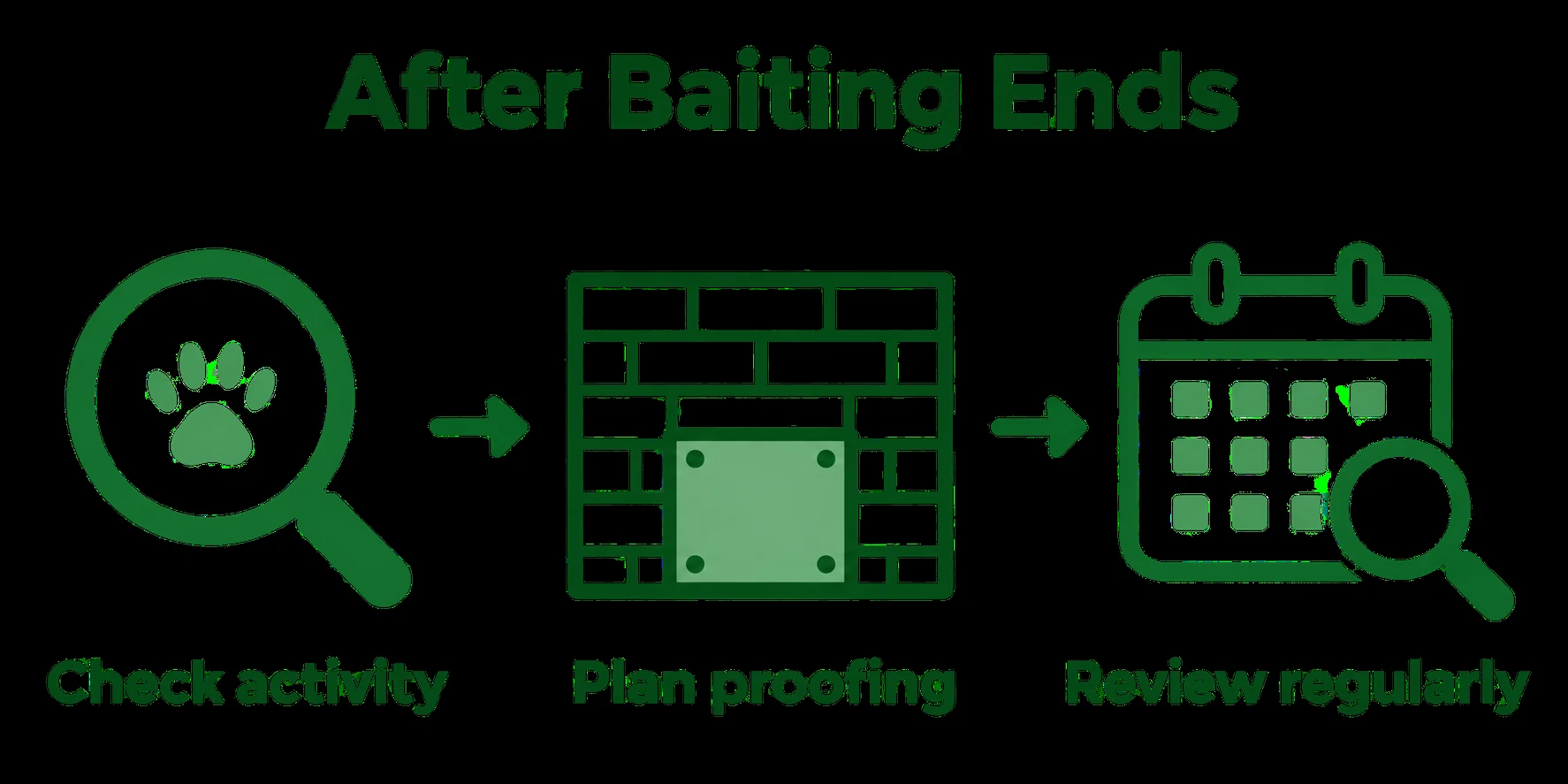
The end of baiting should include a review of activity and prevention, rather than simply leaving bait in place indefinitely. Ask what evidence supports ending treatment, whether any areas remain uncertain and what happens to the treatment equipment.
Unused rodenticide bait should be collected and disposed of as required by the product label and applicable rules. Any continuing bait use needs a specific justification and must follow those requirements. Do not move, refill or dispose of professional bait yourself without instructions.
A useful completion discussion should cover:
- Where activity was found and which entry routes were identified or suspected.
- Which repairs are complete and which still need attention.
- Whether further monitoring is recommended and who will check it.
- What signs should prompt another call.
- How to manage any contaminated areas safely.
After treatment, avoid dry sweeping or vacuuming rodent droppings, which can disturb contaminated dust. Keep children and pets away, wear suitable gloves and follow advice on damp cleaning and disinfection. Follow the disinfectant label, including its contact time. Heavy contamination or affected insulation may need specialist cleaning.
How to compare treatment and keep prevention practical
When comparing pest control services, ask what the proposed treatment includes beyond placing bait. A clear explanation of inspection, monitoring, access checks and prevention helps you understand how the work addresses your particular property.
Useful questions include: Will you investigate likely entry routes? How will you assess progress? Will I receive advice on proofing? Are repairs included or arranged separately? What should I do if fresh signs appear?
Support those measures with everyday changes. Store food and pet food in secure containers, clear spillages, keep bin lids closed and repair leaks. Avoid leaving pet food out overnight, and manage bird feeding so spilled seed does not accumulate.
Keep storage areas accessible for inspection. Reducing clutter beside walls makes droppings, damage and new gaps easier to spot. Check proofing again after plumbing, electrical or building work, as new service openings can undo an otherwise effective barrier.
No property can be promised permanent freedom from rodents. However, sound repairs, sensible housekeeping and prompt attention to fresh evidence substantially improve prevention. The goal is to make entry harder and notice any renewed activity early.
- Baiting controls rodent activity but does not close entry routes.
- Access checks should begin during the initial inspection.
- Plan sealing work carefully to avoid trapping rodents inside.
- Use durable repairs without compromising ventilation or building safety.
- Keep monitoring and prevention in place after treatment ends.
Frequently asked questions
Can rats or mice return after successful baiting?
Yes. New rodents may enter if access points remain open, even when the original infestation was controlled. Fresh activity needs assessment rather than an automatic assumption that the previous treatment failed.
Can I carry out rodent proofing myself?
Simple repairs may be suitable once the entry route and timing have been assessed. Avoid sealing an active hole without advice. Drainage, electrical, gas and structural defects should be handled by someone with the appropriate skills.
Does every rodent problem need bait?
No. Treatment should reflect the species, activity, property and risks involved. Trapping, proofing and changes to food availability may form part of the approach. A technician should explain why the recommended methods suit your situation.
How will I know whether proofing has worked?
Look for an absence of fresh signs alongside monitoring results and intact repairs. Silence alone is not conclusive. Ask your technician what to check, how long monitoring should continue and when to report anything new.
Get advice on treatment and prevention
If you have noticed rodent activity or want advice after baiting, speak to Sykes Pest Control about rat and mouse control. We can discuss your concerns and help you understand the next steps towards keeping rodents out.