

It is easy to brush off a small pest problem. A single mouse sighting or the odd insect might not seem like anything worth worrying about, especially if it only happens once.
In reality, these early signs often suggest something more is going on behind the scenes, even if it is not immediately visible.
What starts as a minor issue can quietly develop into something far more disruptive.
Acting early tends to be simpler, less invasive, and far more cost-effective than dealing with a full infestation later on. Recognising the risks early on can make a significant difference in how the situation unfolds.
Why Small Pest Problems Are Often Ignored
Many people delay taking action because they assume the issue will resolve itself.
There is often a belief that a single pest does not indicate a wider problem, or that it is not worth the expense of professional help. In some cases, the inconvenience feels too minor to justify immediate attention.
Pests are also good at staying hidden. They may remain out of sight in lofts, wall cavities, or basements, making the problem seem less urgent than it actually is.
This can lead to a false sense of security, where the issue continues to grow unnoticed.
How Quickly Pest Problems Can Escalate
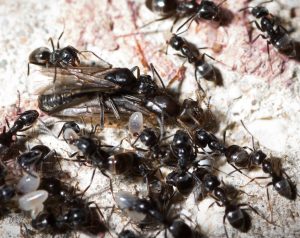
Pests tend to reproduce quickly, and this is where small problems can escalate faster than expected.
A couple of rodents or insects may turn into a much larger population within a short space of time, particularly if conditions are favourable.
Even if you only spot one or two pests, it often suggests there are more nearby. By the time visible signs appear, an infestation may already be well established.
Acting at the first sign is usually the most effective way to prevent rapid spread.
Structural Damage Caused by Pests
Certain pests can cause more damage than people initially realise. Rodents, for example, are known to chew through wiring, insulation, and wood, which can lead to both safety hazards and costly repairs.
Over time, this type of damage can compromise parts of a property’s structure.
Insects can also contribute to structural issues, particularly if they target timber or hidden areas.
The early signs are often subtle, which makes them easy to miss. Left unchecked, the damage can build up and become far more expensive to put right.
Health Risks Associated with Pest Infestations
Pests are not just an inconvenience; they can also pose risks to health. Many carry bacteria and allergens that can contaminate surfaces, food, and living spaces.
This may lead to issues ranging from mild irritation to more serious health concerns.
Air quality can also be affected, especially in enclosed areas where pests are present.
Droppings, nesting materials, and debris can all contribute to an unhealthy environment. Addressing the issue early can help reduce these risks significantly.
Increased Costs Over Time
Delaying action often leads to higher costs in the long run.
A small problem that could have been handled quickly may develop into a widespread infestation that requires more intensive treatment and multiple visits.
There is also the added cost of repairing any damage caused during that time.
When you combine treatment, repairs, and potential disruption, the overall expense can be far greater than dealing with the issue at the outset.
Impact on Businesses and Reputation
For businesses, even a minor pest issue can have wider consequences.
Customers are likely to form quick opinions, and the presence of pests may raise concerns about cleanliness and standards. This is especially important in industries such as food service or retail.
A small problem, if noticed, can lead to negative reviews or loss of trust. In some cases, it may even affect compliance with regulations.
Taking prompt action helps protect both reputation and day-to-day operations.
Why DIY Solutions May Not Be Enough
It can be tempting to try a quick fix using shop-bought products. While these may deal with visible pests, they do not always address the root cause of the problem.
As a result, pests may return once the initial treatment wears off.
Improper use of DIY methods can sometimes exacerbate the issue.
Without a clear understanding of the infestation, it is easy to miss hidden nesting areas or entry points. This can allow the problem to continue developing unnoticed.
The Benefits of Early Professional Intervention
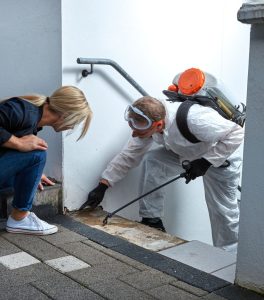
Bringing in a professional early on can make a noticeable difference.
A trained technician can properly assess the situation, identify the source of the issue, and recommend a suitable course of action. This approach tends to be more thorough and effective.
Early intervention can also help prevent recurrence. By addressing both the pests and the conditions attracting them, it is possible to reduce the likelihood of future problems.
This offers reassurance and helps maintain a safe, pest-free environment.
Conclusion
Ignoring a small pest problem may seem harmless at first, but it often carries more risk than expected.
What begins as a minor inconvenience can develop into a more serious and costly situation if left untreated.
Taking action early is usually the most sensible approach. It helps protect your property, your health, and, where relevant, your business reputation.
A proactive response can save time, money, and unnecessary disruption in the long run.