
In urban areas, homes are often packed closely together, with limited outdoor space and shared waste facilities. This means household rubbish tends to build up more quickly and remains closer to living areas than it might in rural settings.
Over time, this concentration of waste may create ideal conditions for pests, especially when bins are not managed consistently. Many homeowners assume infestations occur at random, but in reality, they are often linked to everyday disposal habits.
It is also worth recognising that modern city life places pressure on local waste systems. Collection schedules, recycling rules, and limited storage space can make it harder to manage rubbish neatly.
When waste is left exposed or stored incorrectly, it becomes far more than an inconvenience. It is likely to act as a reliable food source and shelter for unwanted visitors.
How Household Waste Attracts Common Urban Pests
Most household waste contains traces of food, even when it appears clean. Packaging, takeaway containers, and leftover scraps often retain smells that pests can detect from surprising distances.
Rats, mice, and insects rely heavily on scent to locate food, and poorly sealed bins make this process far easier for them. Even small spills inside a bin may gradually build into a strong attractant.
In some cases, the problem is not the quantity of waste but the way it is handled. Bags that are loosely tied, bins without lids, and containers that are rarely washed may all contribute to ongoing attraction.
Over time, pests learn where reliable food sources are located. Once that pattern forms, it can be difficult to break without changing disposal habits.
The Most Common Pests Linked to Poor Waste Management
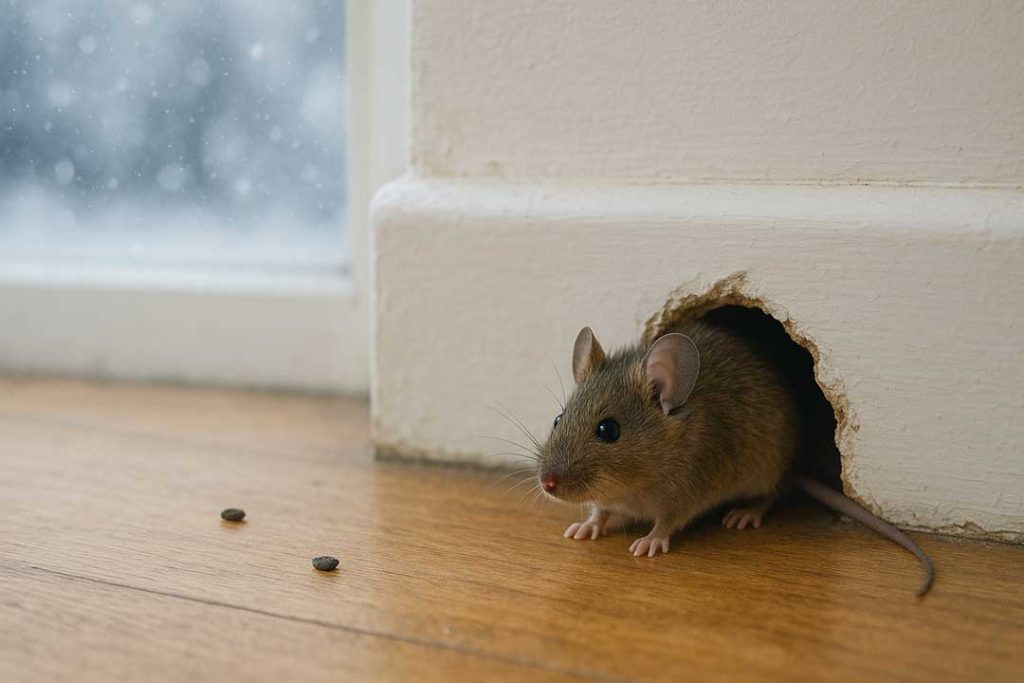
Rats and mice are perhaps the most closely associated with waste-related infestations. They are highly adaptable and will readily nest near bin stores, drains, and refuse areas where food is easily available.
Cardboard, paper, and soft packaging also provide convenient nesting materials, allowing rodent populations to grow quickly.
Insects are equally influenced by waste conditions. Flies breed in decaying organic matter, while ants and cockroaches are drawn to sugary or greasy residues.
In many towns and cities, foxes and scavenging birds also become involved, tearing open bags and spreading waste across gardens and pavements. This not only increases the mess but also widens the problem.
Bin Storage and Placement: Small Changes That Make a Difference
Where bins are kept plays a larger role in pest prevention than many people realise. Bins positioned close to doors, vents, or drains may allow pests easier access to the property.
Ideally, waste containers should be stored away from entry points and placed on solid, clean surfaces that are easy to maintain.
Lids should always fit securely, and damaged bins are best replaced rather than repaired repeatedly. Using strong liners and rinsing bins regularly may seem like small tasks, but they significantly reduce lingering smells.
Over time, these small improvements can make a noticeable difference to pest activity around the home.
Communal Waste Areas and Shared Responsibility
In blocks of flats and terraced streets, waste areas are often shared between multiple households. This creates additional challenges, as one poorly managed bin can affect everyone nearby.
Overflowing containers, loose bags, and contaminated recycling may quickly attract pests to the entire site.
It can sometimes be difficult to address these issues individually, especially when responsibility is unclear. However, open communication with neighbours and property managers is often worthwhile.
Establishing simple rules around waste storage and collection times may help reduce repeated problems and limit long-term infestations.
Food Waste, Recycling, and Composting Risks
Food waste recycling is increasingly common in urban areas, but it requires careful handling. Caddies and bins that are not emptied or cleaned regularly may produce strong odours within days.
Liners that split or leak further increase the risk of attracting insects and rodents.
Home composting also presents challenges in small gardens or yards. While composting is environmentally beneficial, poorly managed piles may become breeding grounds for pests.
Balancing sustainability with hygiene is essential. Secure compost bins, correct layering, and regular turning all help reduce unwanted attention.
Seasonal Changes and Waste-Related Pest Activity
During warmer months, waste decomposes more quickly, producing stronger smells and moisture.
This creates ideal conditions for flies, ants, and rodents. Summer barbecues, outdoor eating, and increased food waste may further add to the problem if disposal is not handled carefully.
In winter, the focus often shifts. Rodents, in particular, seek warmth and shelter near buildings.
Bin stores and refuse areas may offer protection from harsh weather, making them attractive nesting sites. As a result, pest pressure does not disappear in colder months, but simply changes in nature.
Signs That Waste Is Contributing to a Pest Problem
One of the earliest signs is damage to bin bags, lids, or containers. Gnaw marks, torn plastic, and scattered rubbish often indicate repeated scavenging.
Unpleasant odours and visible residue around storage areas may also suggest hygiene issues.
Increased sightings of pests near bins, especially at similar times each day, can reveal established feeding patterns.
Droppings, footprints, and grease marks along walls may further confirm activity. These signs suggest the issue is ongoing and unlikely to be resolved without intervention.
Practical Waste Management Tips for Urban Households
Simple daily habits can greatly reduce pest attraction. Sealing food waste properly, wiping containers before disposal, and avoiding overfilled bins all contribute to better hygiene.
Regularly checking lids and liners helps prevent accidental exposure.
Weekly routines are equally important. Washing bins, rotating waste storage areas, and reviewing recycling practices may seem minor, but they build long-term resilience.
Choosing sturdy bins and suitable liners is also worthwhile, especially in areas with known pest activity.
When to Seek Professional Pest Control Support
There are situations where improving waste habits alone is not enough.
If pests continue to appear despite consistent hygiene, it may indicate nesting nearby or access points within the property. At this stage, professional assessment becomes valuable.
A trained pest control technician can identify hidden entry routes, breeding areas, and contributing factors that are not immediately obvious.
Ongoing monitoring and tailored treatment plans often provide more reliable long-term results than repeated DIY measures.
Conclusion: Making Waste Control Part of Pest Prevention
Effective waste management is not simply about keeping areas tidy. It forms a central part of pest prevention in urban homes.
When rubbish is stored, sealed, and cleaned properly, food sources become less predictable and less attractive to pests.
By making small, realistic changes to daily routines, households may significantly reduce their risk of infestation.
Rather than reacting once pests appear, focusing on prevention often proves more practical and cost-effective. Over time, good waste control becomes a natural part of maintaining a healthier living environment.