
The weather in the UK has always been a talking point, but lately it feels even more unpredictable than usual.
One week it is unseasonably warm, the next brings heavy rain or a sudden cold snap. What many homeowners do not immediately connect is how closely these shifts appear to influence pest behaviour.
People often assume pest problems happen at random, or only because a property is untidy. In reality, changes in temperature and rainfall are likely to play a quiet but important role.
When conditions outside become uncomfortable or unstable, pests tend to adapt quickly, often by moving closer to people.
Why Weather Matters More Than People Think
Pests are far more dependent on their environment than humans tend to realise.
Temperature affects how fast they breed, moisture influences where they can nest, and shelter determines how long they survive. Even small weather changes can nudge pests into new patterns of behaviour.
It may seem as though an infestation has appeared overnight, but it often builds gradually in response to external conditions.
A stretch of wet weather or a warmer than usual spell can tip the balance, making a previously manageable situation harder to ignore.

Milder Winters and Increased Pest Survival
Winters in the UK appear to be getting milder overall, and this has consequences for pest populations.
Cold weather once acted as a natural control, reducing numbers before spring arrived. With fewer prolonged freezes, more pests are likely to survive through the colder months.
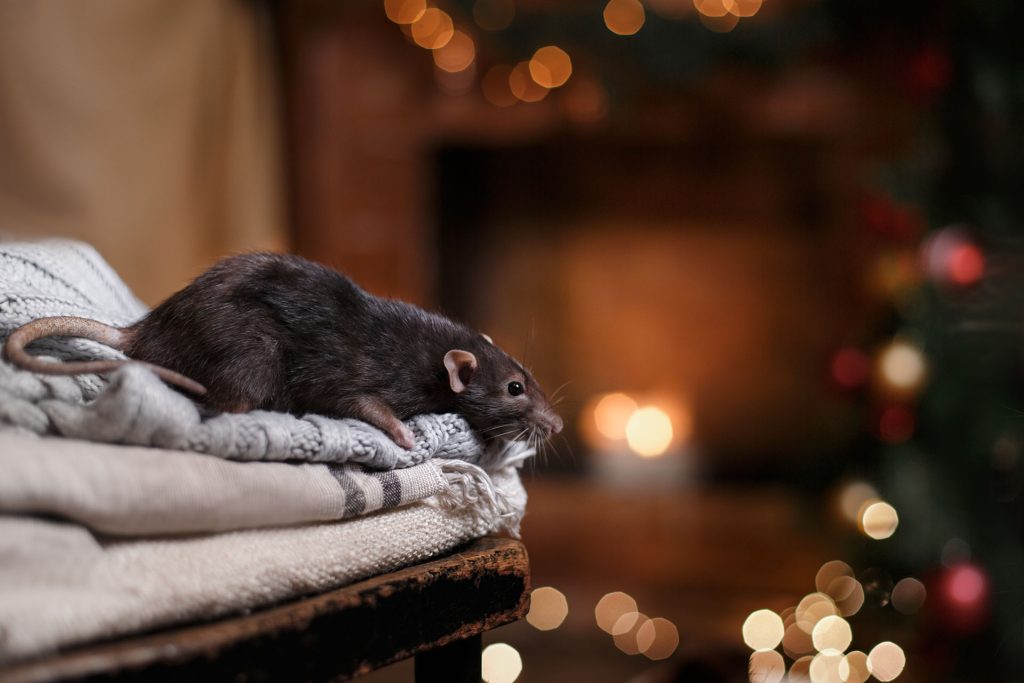
Rodents, in particular, benefit from this shift. Rats and mice can remain active for longer, breeding earlier in the year and establishing themselves before homeowners expect problems.
Insects that would normally die back may also linger, creating a head start once temperatures rise again.
Heavy Rainfall and Flooding
Extended periods of rainfall can be just as disruptive for pests as cold weather. When soil becomes waterlogged and drains overflow, underground nests are often forced out.
This pushes pests to look for drier, safer places, which frequently means entering buildings.
Rats and mice are commonly affected, but ants and other crawling insects behave in a similar way.
Properties with small gaps, damaged brickwork, or poorly sealed drains can become easy targets during wet spells, even if there has never been an issue before.
Hotter Summers and Rapid Breeding Cycles
Hot summers tend to speed everything up in the pest world. Warmer temperatures allow insects to develop faster, reproduce more frequently, and spread further in a shorter space of time.
What starts as a minor nuisance can escalate surprisingly quickly.
Wasps, flies, and fleas are often the most noticeable during these periods.
People may try to tolerate the problem at first, assuming it will pass, but the longer warm weather continues, the more established the infestation is likely to become.
Sudden Temperature Swings
It is not just long spells of heat or rain that cause problems. Sudden changes in temperature can be particularly unsettling for pests.
When conditions shift quickly, pests may abandon nests or feeding areas and start searching for more stable environments.
This increased movement often brings them into closer contact with people.
Loft spaces, wall cavities, and underfloor areas provide relatively steady temperatures, which makes homes and commercial properties especially appealing during these abrupt transitions.
Seasonal Pest Patterns in the UK
Traditionally, pest activity followed fairly predictable seasonal patterns. Rodents were associated with winter, insects with summer, and spring brought gradual increases.
Those patterns still exist to some extent, but they no longer feel as reliable as they once were.
Some pests now appear earlier in the year, while others remain active well into autumn.
This blurring of seasons can catch property owners off guard, especially if they are relying on outdated expectations of when problems usually arise.
How Weather Driven Pest Activity Affects Homes and Businesses
For homeowners, weather driven pest behaviour can lead to unexpected damage and stress.
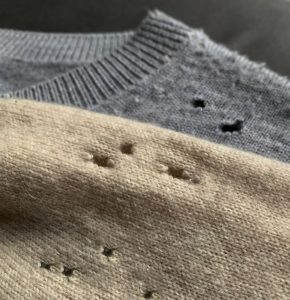
Chewed wiring, contaminated surfaces, and unpleasant odours often follow once pests settle in. These issues rarely improve on their own.
Businesses face additional pressures. Food premises, offices, and rental properties may be particularly vulnerable, as even a short term pest issue can affect reputation or compliance.
Weather related infestations are often harder to predict, which makes preparation more important.
What Property Owners Can Do to Stay Ahead
Staying alert to changes around your property is one of the most effective steps.
After periods of heavy rain or unusual warmth, it is sensible to look for new entry points, signs of nesting, or changes in pest activity.
Simple maintenance also helps. Keeping drains clear, repairing damaged brickwork, and reducing clutter around buildings can limit opportunities for pests to take advantage of shifting conditions.
These steps will not prevent every problem, but they can reduce the risk.
When to Seek Professional Advice
Some pest issues linked to weather patterns are difficult to manage without experience.
If activity continues despite basic precautions, it may suggest a deeper problem that is already established within the structure of the property.
Professional advice can help identify the root cause rather than just the visible symptoms.
This approach is often more effective in the long run, particularly when infestations are being driven by ongoing environmental changes rather than a single, isolated incident.
Conclusion
Weather patterns and pest behaviour are closely connected, even if the link is not always obvious at first.
As the UK climate continues to shift, pest activity is likely to remain unpredictable, with new challenges emerging for property owners.
Understanding how weather influences pests allows for earlier, calmer responses.
Rather than reacting once a problem becomes overwhelming, recognising these patterns can help people take control before pests feel too comfortable sharing the space.