
Do Pests Really Go Away in Winter?

When the temperature drops and the evenings get darker, it’s tempting to assume pests are a summer problem. No wasps around the garden table, fewer flies at the window – job done, right?

Not really.

Many pests don’t vanish in winter; they simply change where and how they live. A warm, cosy home with food and hiding places is incredibly attractive when it’s freezing outside. That’s exactly why companies like Sykes Pest Control stay busy all year round.

This guide walks through what pests typically do in winter, the signs to watch for, and when it may be sensible to call in professional help rather than hoping the cold weather sorts things out on its own.

Why cold weather doesn’t mean a pest-free home

It’s a comforting idea that frost kills off most pests. In reality, a lot of species are very good at surviving winter. Some slow down, some hide in sheltered outdoor spots, and others head indoors.

Modern homes are ideal:

  • Central heating keeps rooms warm
  • Insulation creates cosy nesting spots
  • Gaps around pipes, vents and roofs offer easy access
  • Food crumbs, pet food and bin areas provide a constant food source

So you may see fewer pests outside, but you could actually have more activity inside, tucked away in lofts, wall voids, cupboards and under floors.
Common winter pests and what they get up to

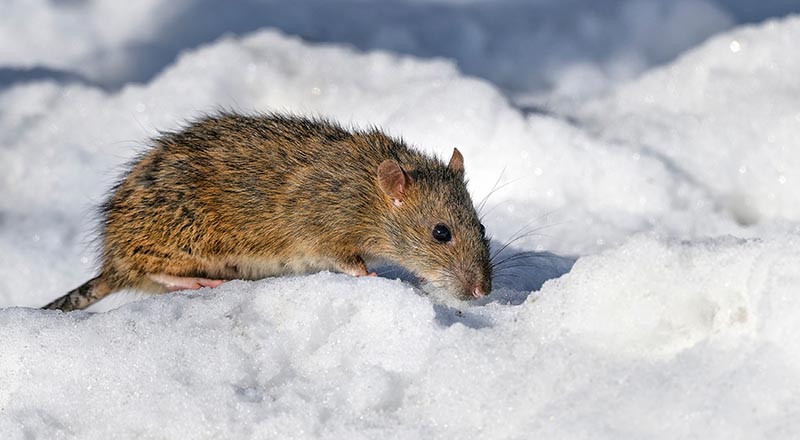
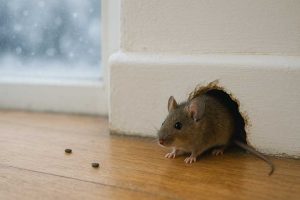
Rats and mice – moving indoors for warmth and food

Rats and mice are probably the most common winter pest. As natural food sources decline outdoors, they’re drawn towards houses, sheds, garages and commercial buildings.

Indoors, they may:

  • Nest in loft insulation, behind walls or under kitchen units
  • Chew wiring, pipes, timber and stored belongings
  • Contaminate food and surfaces with droppings and urine

You may not see them directly, but hear scratching, notice gnaw marks, or find droppings in quiet corners. Once rodents are comfortably settled, numbers can build surprisingly quickly.

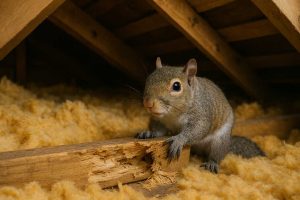
Squirrels – noisy winter visitors in the loft

Grey squirrels often look charming in the garden, but inside the loft they’re a different story. In winter they may break in through damaged tiles, fascias or gaps in the roof.

They have a habit of:

  • Stripping insulation to build nests
  • Gnawing wood and cables
  • Making loud thuds, scrabbling and “rolling” sounds

A squirrel infestation is more than just annoying; it can cause serious damage over time.

Bed bugs – not bothered by the weather outside

Bed bugs don’t care whether it’s snowing or sunny. As long as they have access to people and a heated environment, they can stay active.

Winter can even make things worse:

  • More time spent indoors, especially in bedrooms and living rooms
  • Thick winter bedding giving extra hiding spots
  • Guests staying over, or you travelling and accidentally bringing them home in luggage

Small issues may be missed at first and blamed on “dry winter skin” or allergies. By the time people realise, the infestation can be well established, and DIY sprays are unlikely to fix it.

Cockroaches – thriving in warm, humid spots

Cockroaches prefer warmth and moisture. In winter, they tend to retreat deeper into kitchens, bathrooms, boiler cupboards and behind appliances.

They often hide:

  • Behind fridges and cookers
  • Under kitchen units and in pipe voids
  • Around boiler cupboards and hot water tanks

Seeing even a couple of cockroaches can signal a larger hidden problem. They breed quickly and can be difficult to eliminate without a structured treatment plan.

Cluster flies and other overwintering insects

Some insects, like cluster flies, seek shelter to overwinter in large numbers. They may gather in roof spaces, wall voids or unused rooms, then appear around windows on warmer winter days.

They’re more of a nuisance than a serious health risk, but they can arrive in big numbers and leave staining and mess behind. Their presence also suggests your property has the gaps and voids other pests may use.

Winter pest problems are easy to miss

One of the big issues with winter pests is that the signs are often subtle. Instead of obvious wasp nests or ants in the kitchen, you’re dealing with quieter problems in hidden areas.

You might notice:

  • Scratching, rustling or thumping sounds at night
  • Droppings in lofts, cupboards, behind appliances or under sinks
  • Chewed packaging, cables, insulation or wood
  • A musty smell in enclosed spaces
  • Flies around upper windows on mild winter days
  • Unexplained bites or small blood spots on bedding

On their own, these may not feel dramatic. But together they can point to a growing infestation that is easier and cheaper to treat early.

How Sykes Pest Control can help during winter

Sykes Pest Control specialise in dealing with pests throughout the year, including the quieter-looking winter months when problems may be out of sight but still active.

How we deal with pest issues

Inspect thoroughly
Identify the type of pest, where they’re nesting, and how they’re getting in. That may involve checking lofts, voids, outbuildings and external access points.

Put together a targeted treatment plan
Use methods suited to the pest and the environment, rather than a one-size-fits-all spray or a handful of traps.

Consider safety and discretion
Choose treatments carefully where children, pets, food preparation or business operations are involved, and work as discreetly as needed.

Tackle the cause, not just the symptoms
Focus on proofing, hygiene and habitat changes, so you’re not dealing with the same issue again next winter.

Sykes Pest Control can take you from “I can hear something in the loft” or “we keep seeing droppings in the stock room” to a clear, practical plan for getting your property back under control. Contact us today