
The UK is no stranger to invasive pests, but one recent arrival is causing particular concern among experts, beekeepers, and environmental agencies alike — the Asian hornet (Vespa velutina). With sightings on the rise, especially in southern England, it’s crucial that homeowners and businesses learn to identify this dangerous insect and know exactly what to do if they encounter one.
In this article, Sykes Pest Control explains what the Asian hornet is, why it’s a threat, how to spot it, and how you can play a vital role in stopping its spread.
What Is the Asian Hornet?
Originally from Southeast Asia, the Asian hornet has been steadily making its way across Europe since it was accidentally introduced to France in 2004. It has now established itself in several countries, and unfortunately, the UK is no longer exempt.
The first confirmed UK sightings occurred in 2016, but reports have increased dramatically in 2023 and 2024, particularly in coastal regions. The species is now classified as an invasive non-native threat by the UK government.
Why Is the Asian Hornet a Problem?
Asian hornets pose a significant risk to both people and the environment:
Devastates Pollinator Populations: They are highly aggressive predators of honeybees and other pollinating insects. A single hornet can kill dozens of bees in a day, and their impact can devastate hives.
Ecosystem Disruption: By targeting bees and other insects, they interfere with essential pollination processes, threatening crops and native plants.
Public Health Risk: Though not usually aggressive toward humans unprovoked, Asian hornets will defend their nests fiercely. Their sting can be painful and, for those with allergies, potentially life-threatening.
Difficult to Control: Nests are often built high in trees or well-hidden, making early detection and removal difficult.
How to Identify an Asian Hornet
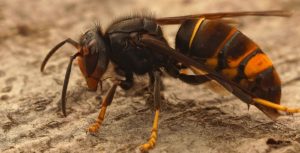 Correct identification is essential. Here’s how you can tell an Asian hornet apart from native species:
Size: Around 25–30mm long (queens may be larger), smaller than the native European hornet.
Colouring:
Body: Mostly dark brown or black.
Abdomen: Distinctive yellow/orange band near the rear (on the 4th segment).
Face: Orange with dark antennae.
Legs: Yellow tips on the legs.
Wings: Slightly tinted.
They’re most often seen foraging near flowers, beehives, or outdoor food sources.
When and Where Are They Most Active?
Asian hornets are typically active from spring through to autumn, with peak activity during late summer and early autumn when nests are at their largest.
Where they nest:
High trees
Hedges and bushes
Outbuildings, sheds, and garages
Roof spaces or wall cavities
While sightings have been concentrated in southern England, including Kent, Devon, and Hampshire, vigilance is needed nationwide.
What to Do If You Spot an Asian Hornet
If you believe you’ve seen an Asian hornet:
✅ Do not approach or disturb it.
✅ Do not attempt to remove or destroy a nest yourself.
✅ Take a clear photo if you can do so safely.
✅ Report the sighting immediately:
Via the Asian Hornet Watch app (available on iOS and Android)
Online at the UK Centre for Ecology & Hydrology
Through the Non-Native Species Secretariat (NNSS)
Quick, accurate reporting is vital to help environmental teams locate and eradicate nests before they spread further.
How Sykes Pest Control Can Help
At Sykes Pest Control, we understand the danger posed by invasive species like the Asian hornet. Our team is trained in safe pest identification and control methods, and we operate in line with official UK guidance.
We offer:
Site inspections if you suspect Asian hornet activity
Professional advice on identification and reporting
Safe removal of wasp and hornet nests (excluding protected species)
Ongoing support for commercial and domestic clients
If you’re concerned about hornets, wasps, or any pest issue, contact our experienced team today for fast, local support.